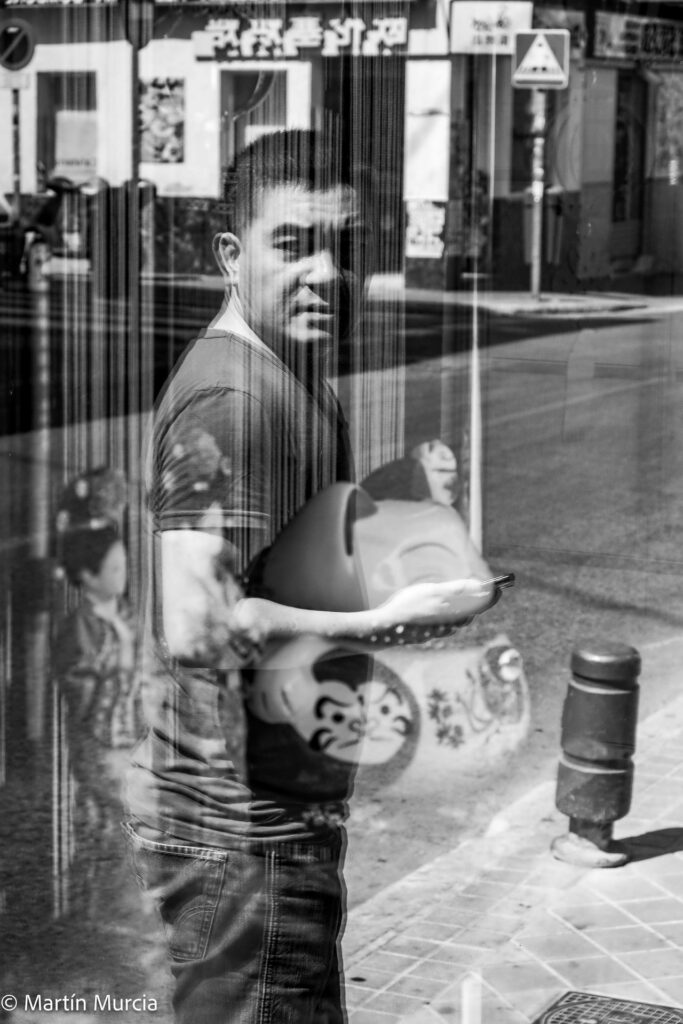
Martín Murcia Crescini
Martín Murcia Crescini, máster en fotografía por la Universitat de València y máster de fotografía contemporánea por el Instituto Europeo di Design, con más de 30 años de experiencia en la práctica y en la enseñanza de la fotografía y el lenguaje visual. Su práctica se mueve entre el análisis de la realidad y la creación de sistemas de representación propios.
Formado en periodismo y semiología en la USAL, su obra propone una lectura de la fotografía callejera y la identidad. En proyectos como Wæst, recupera la tradición del pensamiento fotográfico tradicional y contemporáneo. Esta búsqueda se extiende a la monumentalización de lo mínimo en la macrofotografía de Semillas en Ascesis, el estudio de la luz en Umbra y la exploración irónica sobre la erosión del cuerpo y la calvicie en Calvario.
Su trabajo integra la fotografía de todos los días con la estética de los medios contemporáneos.
Publications
It is said that through ascetic practice, some Buddhists are able to see an entire landscape in a single bean.
SZ Roland Barthes
Seeds or certain grains are not simply seen with the naked eye; they are read. The act of observing them has more to do with reading than with the way we look at other everyday objects. Looking at a seed involves fixing one’s gaze in order not to fully grasp its perfection and biological complexity, its character, and its visual spectacle.
*Asceticism* seeks an exchange, an approach that goes beyond the scientific nature of macro photography, inviting the viewer to search for a landscape, much like certain Buddhists do with the bean.
The idea is that those who look with detachment can personally and intimately appropriate a landscape that is only legible in the light of photography.
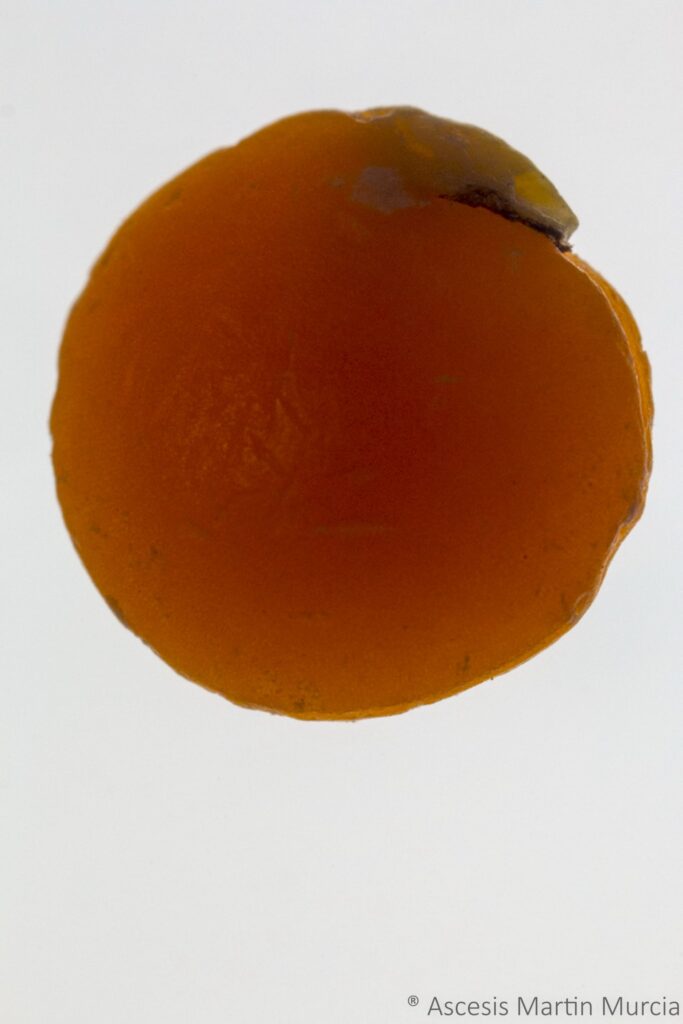
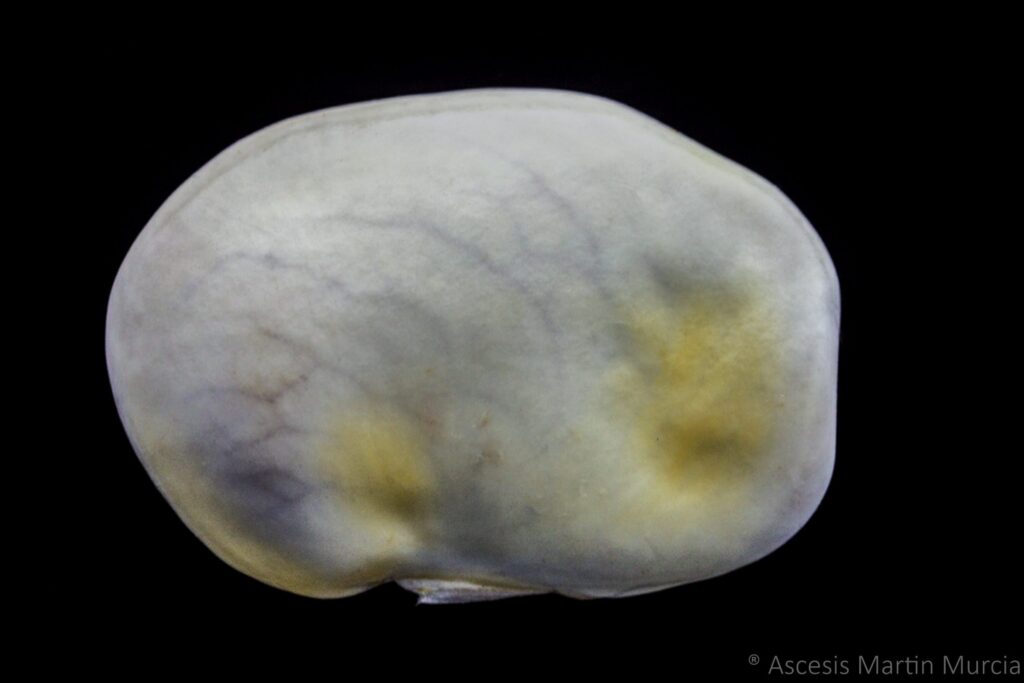
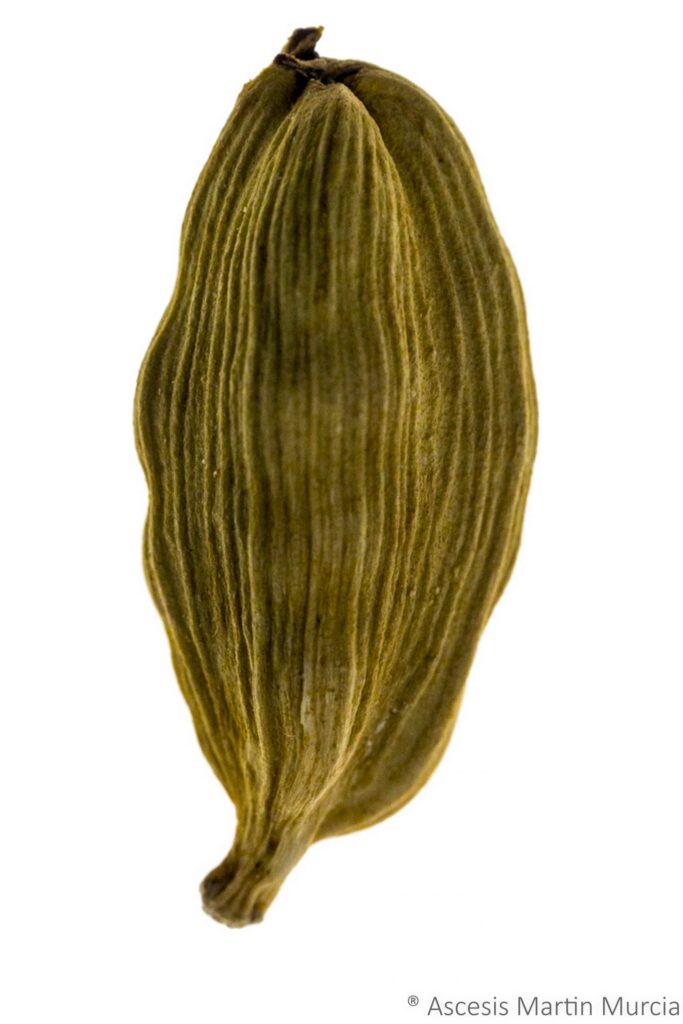
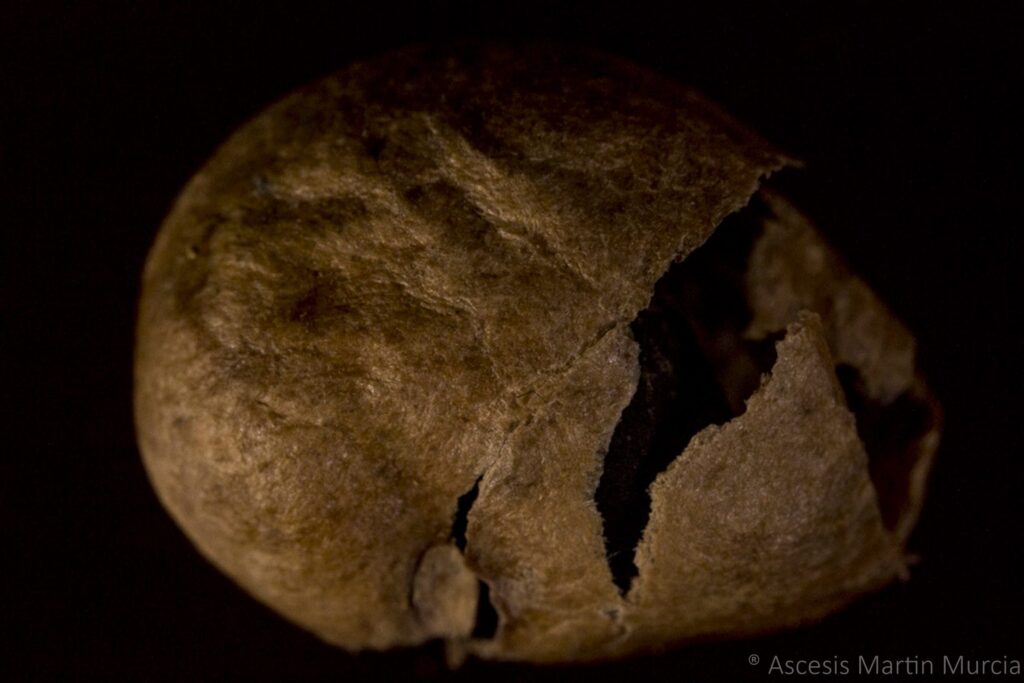
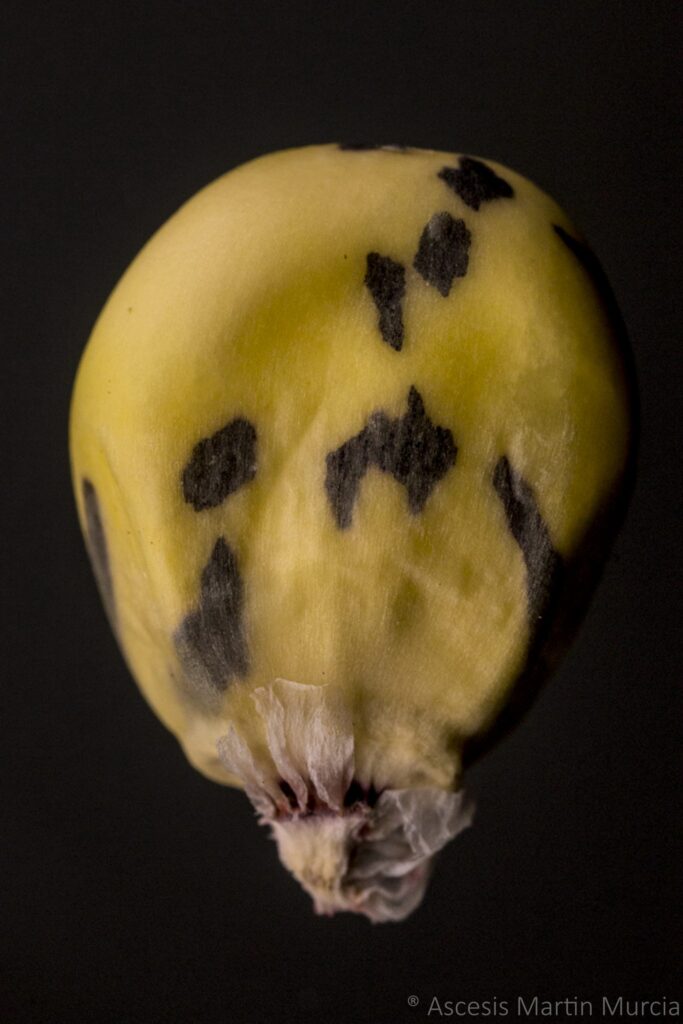
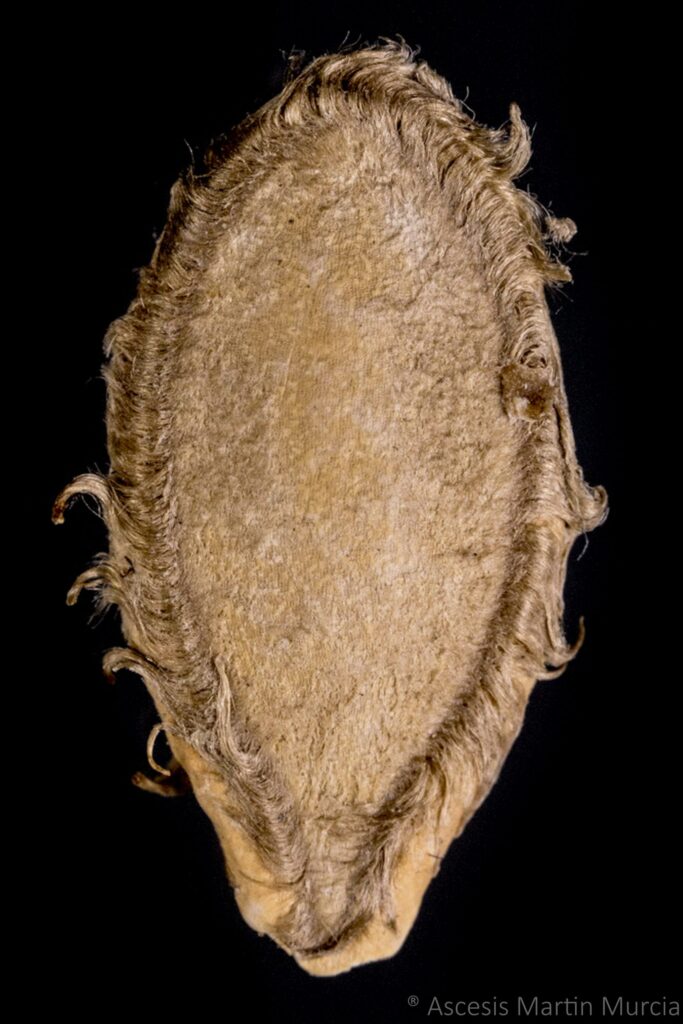
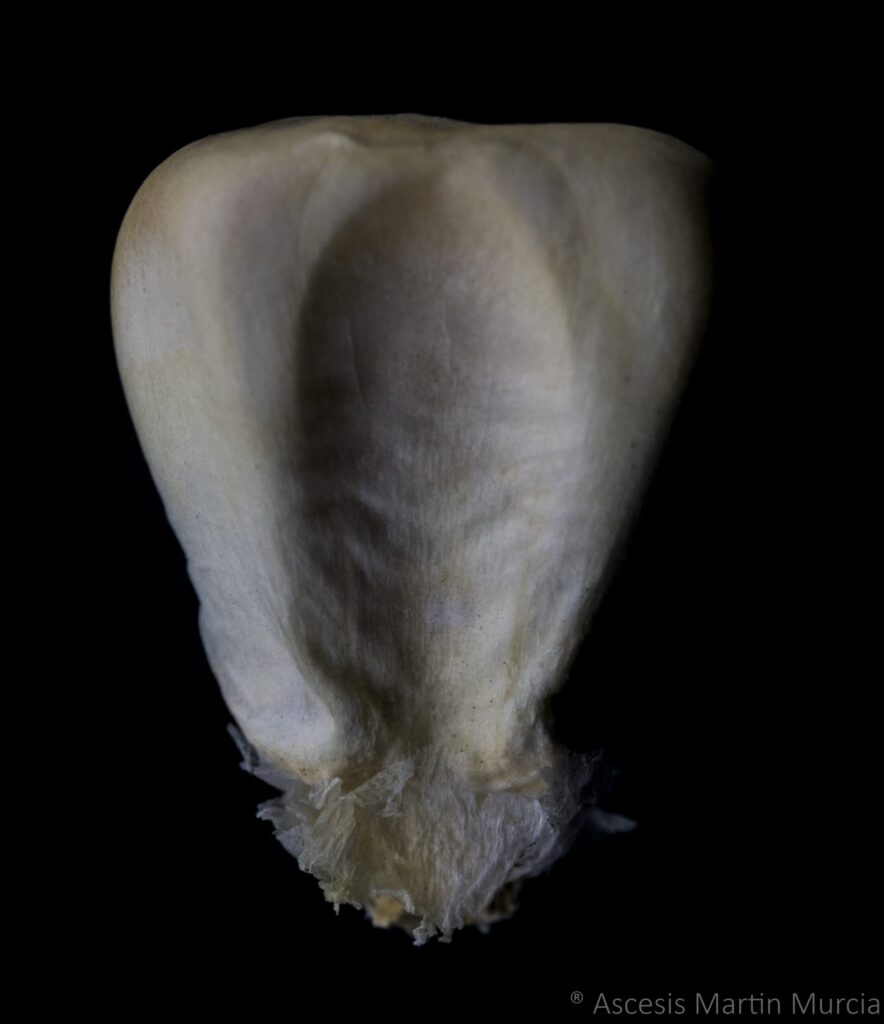
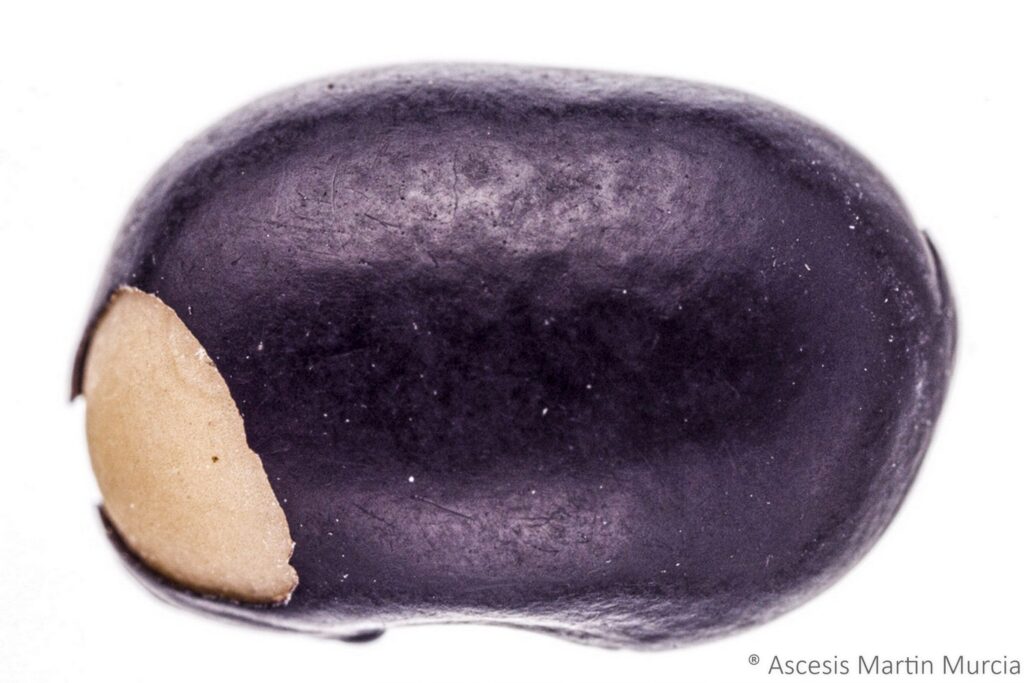
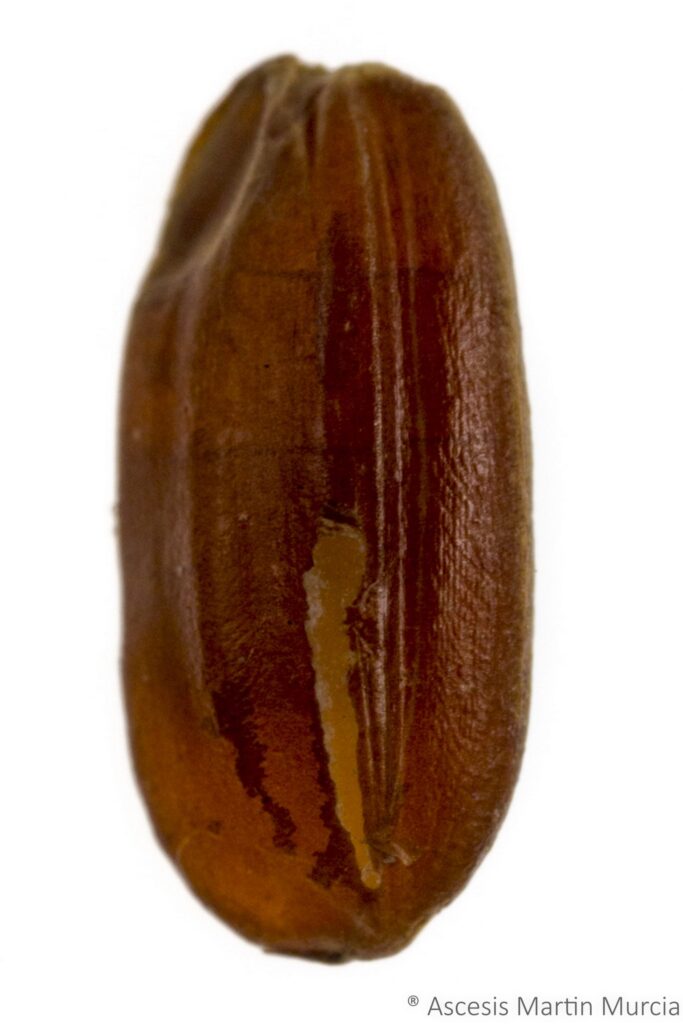
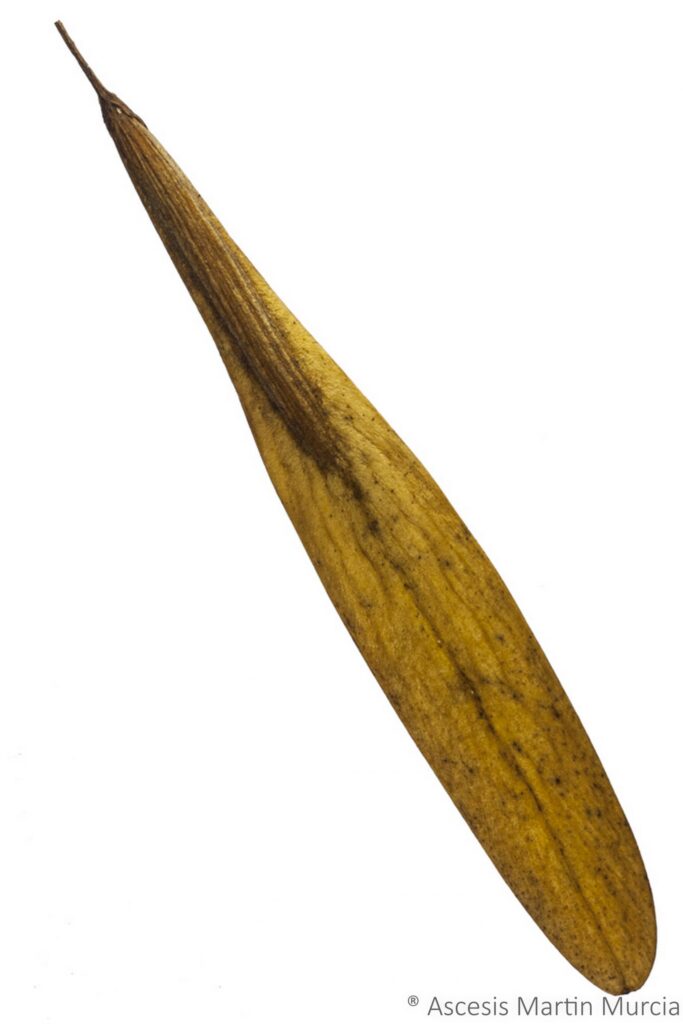
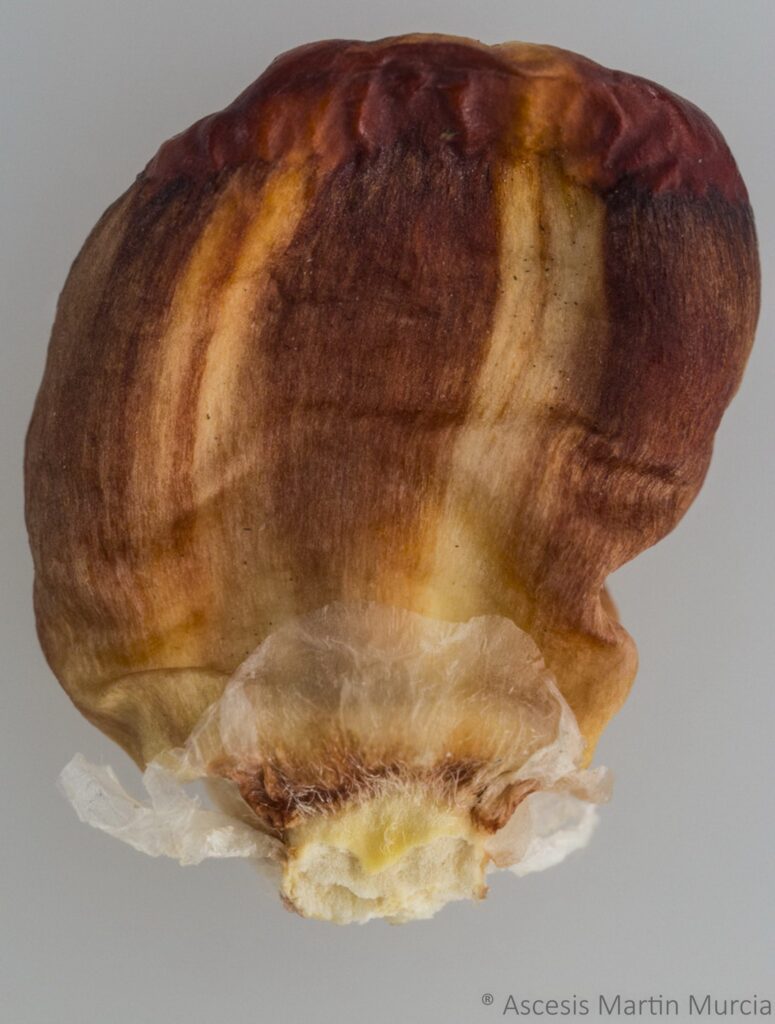
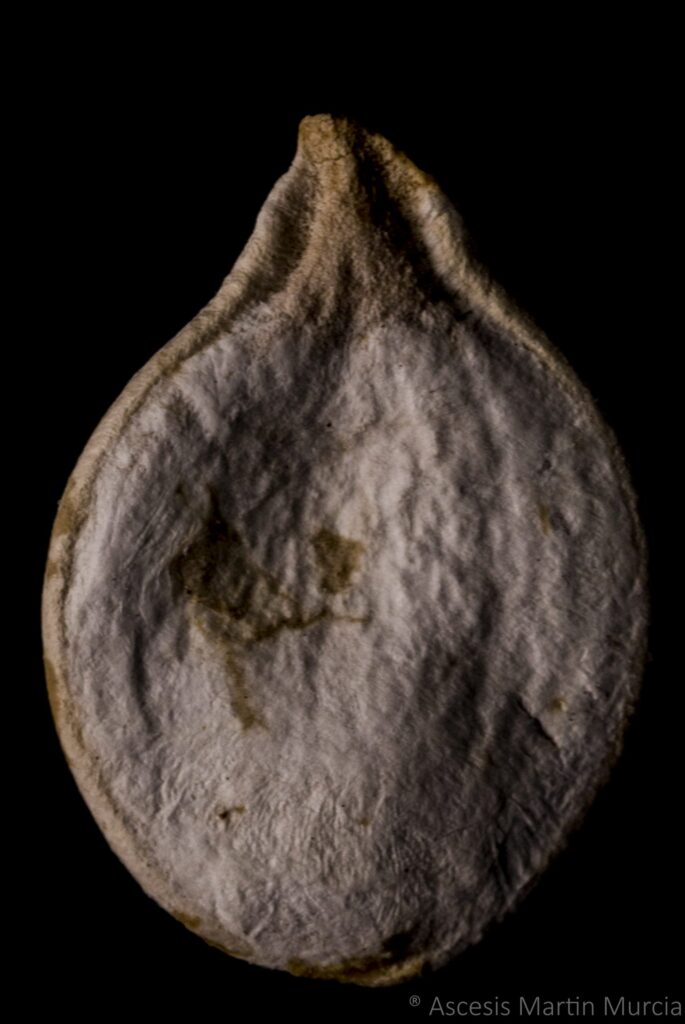
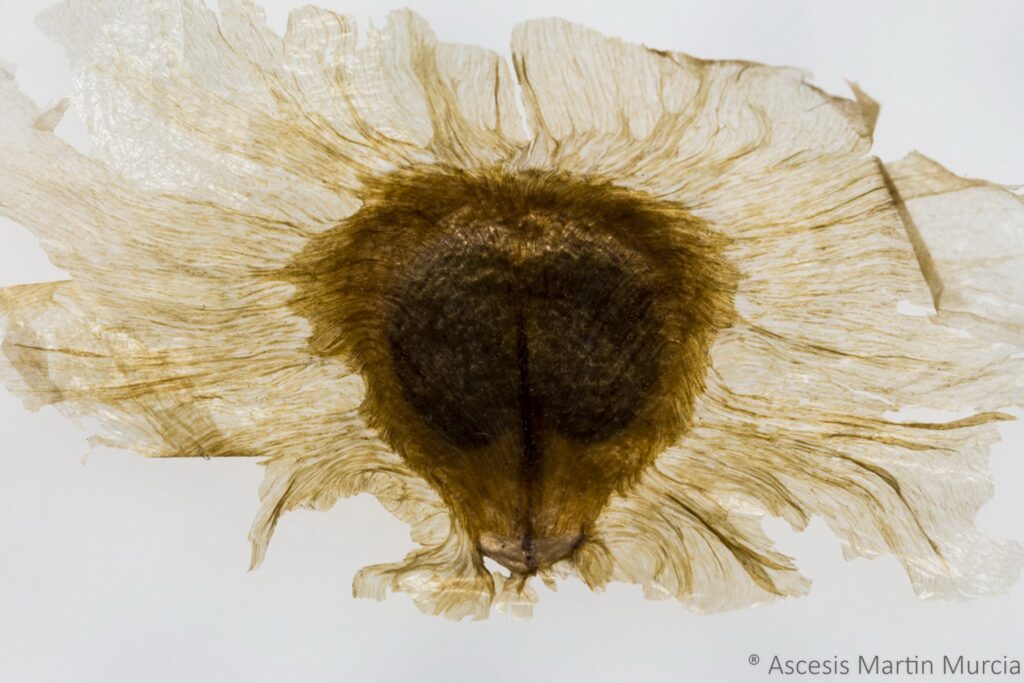
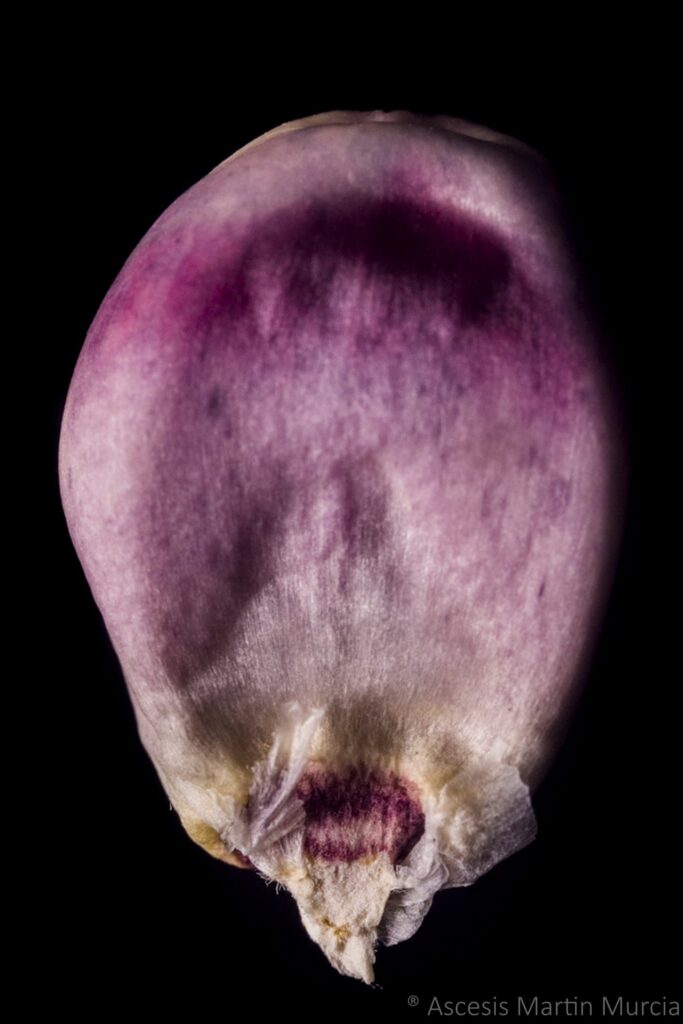
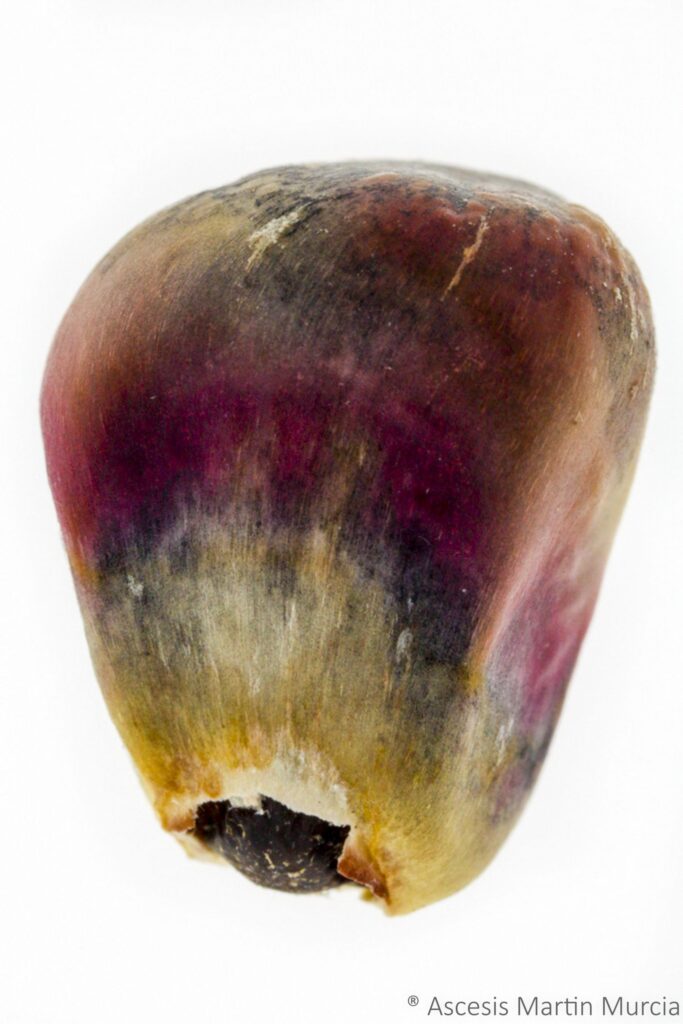
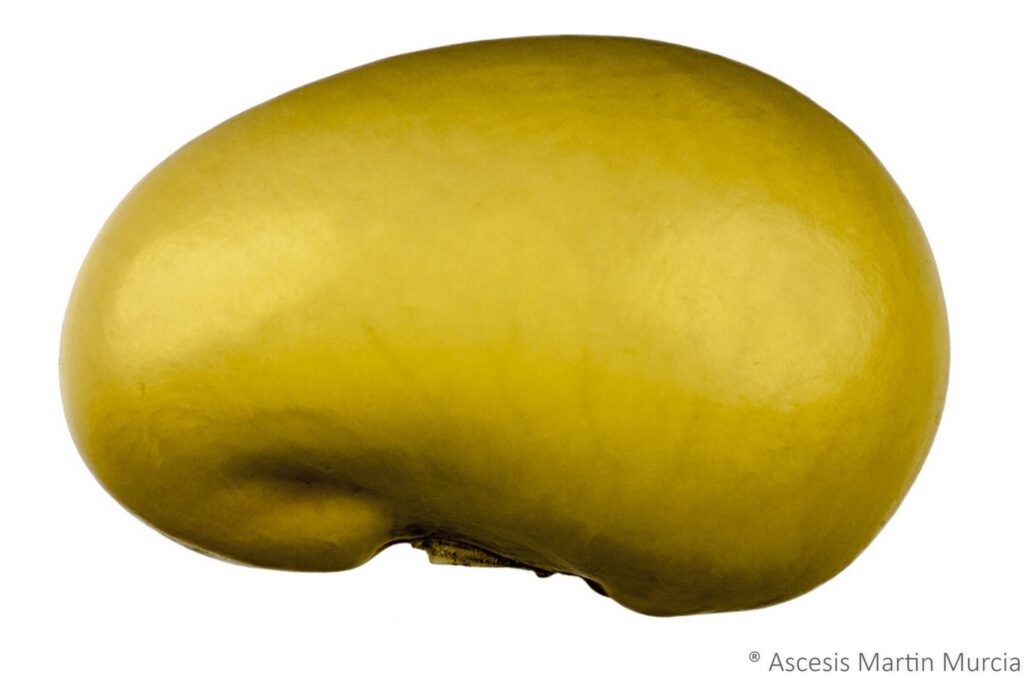
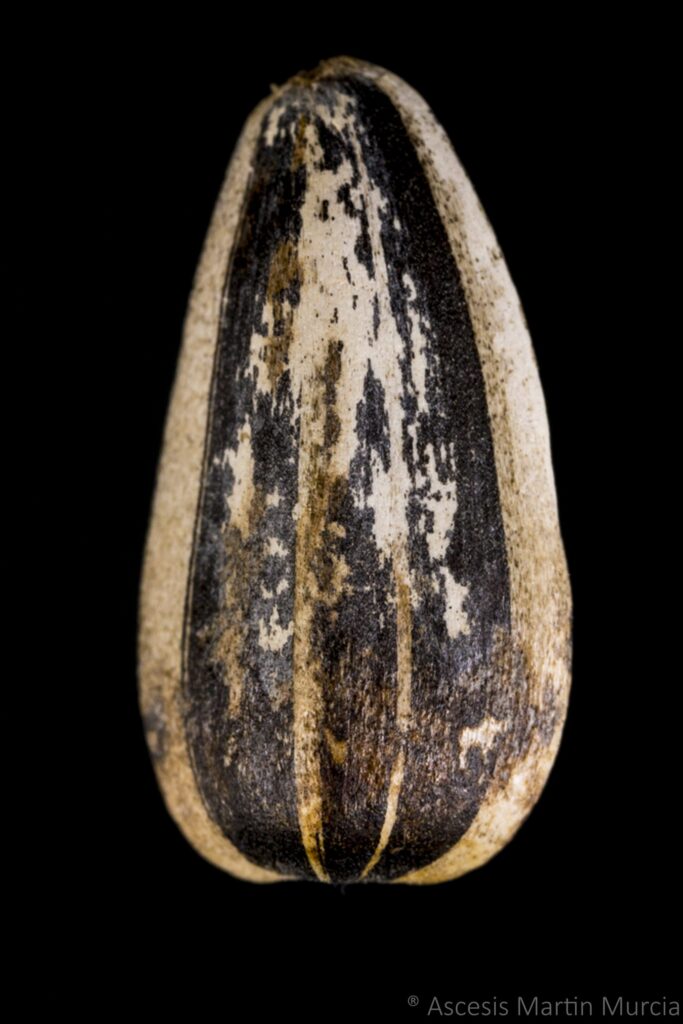
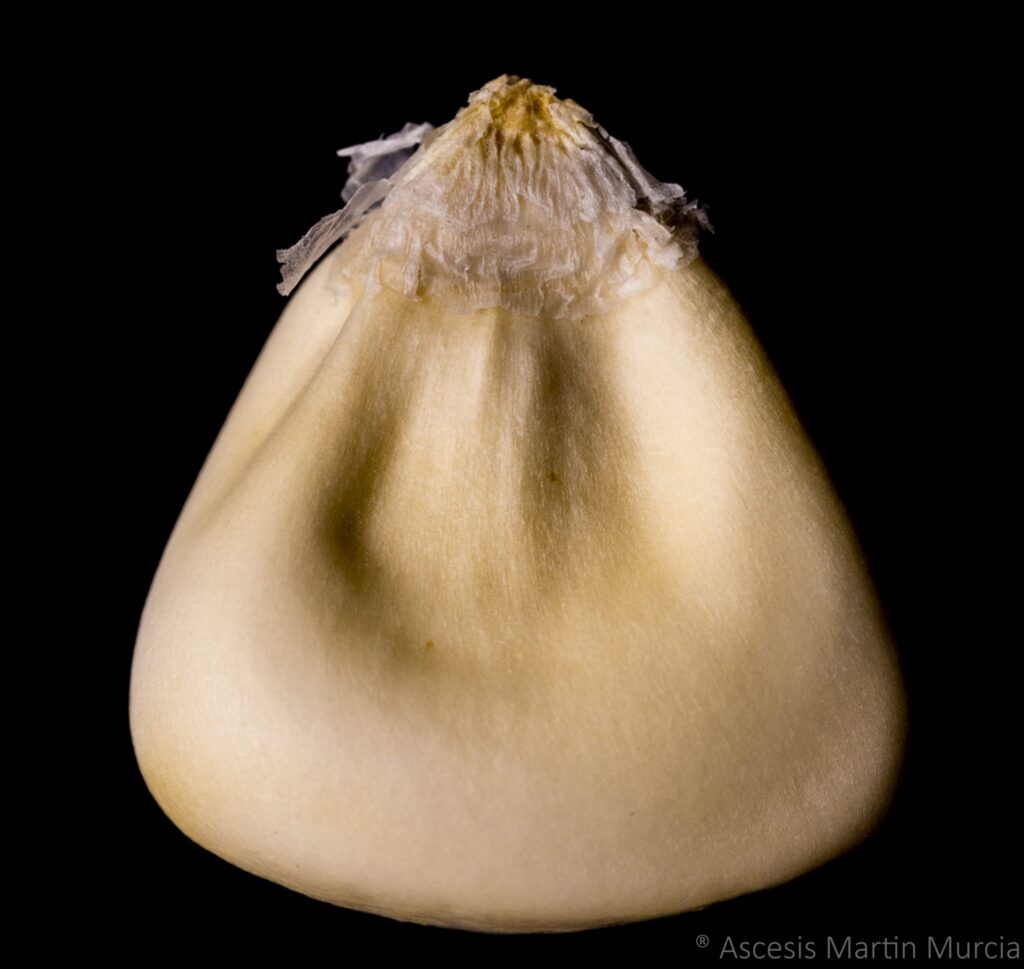
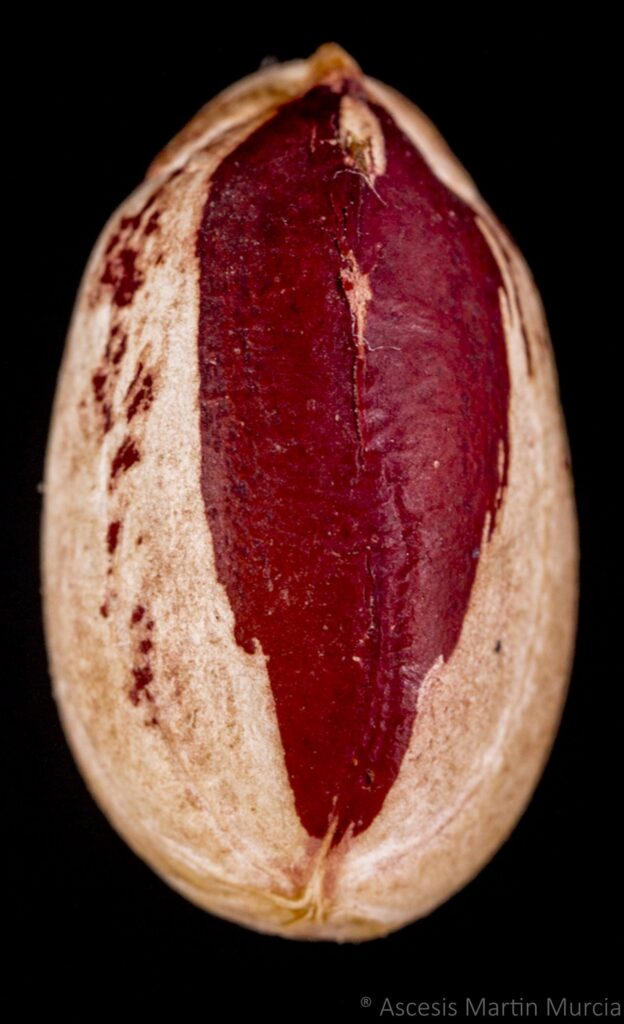
The disoriented gaze is forced to inhabit a geography without coordinates.
Everyday life is revealed here as an absolute territory: a succession of faults, mountain ranges, and abysses that belong to the topography of matter.
The aim is to map the silence of things when they cease to be useful and become simply landscapes.
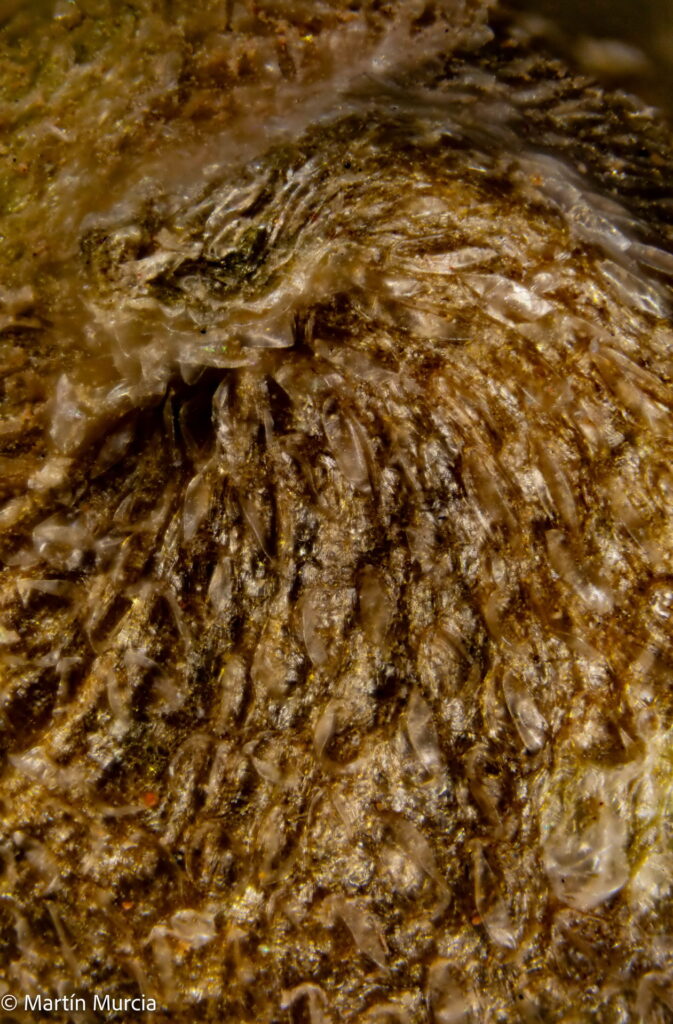
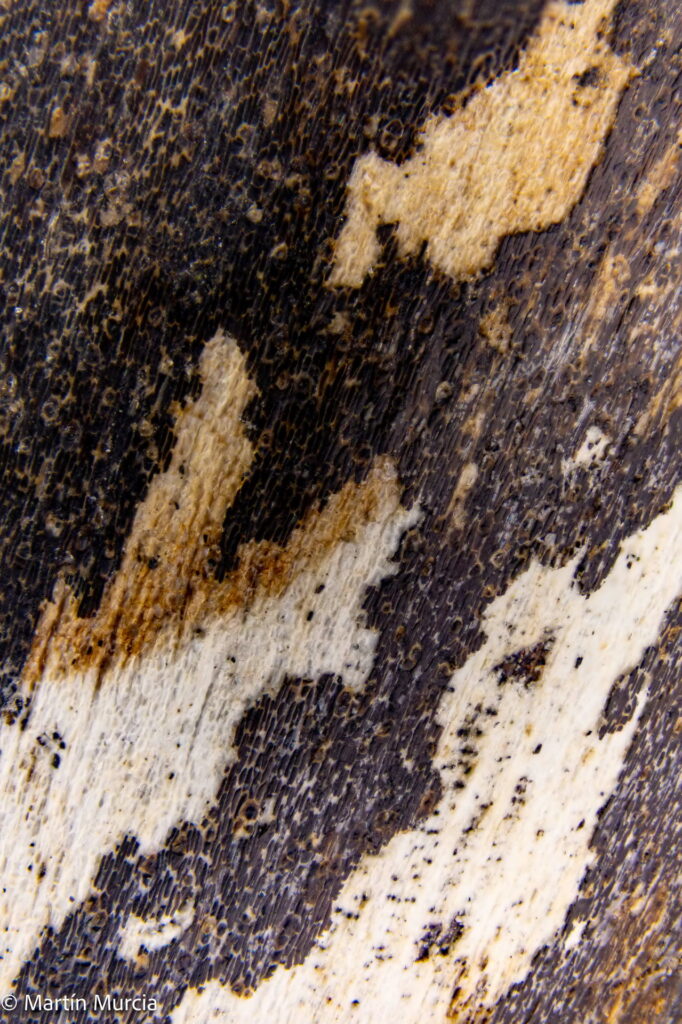
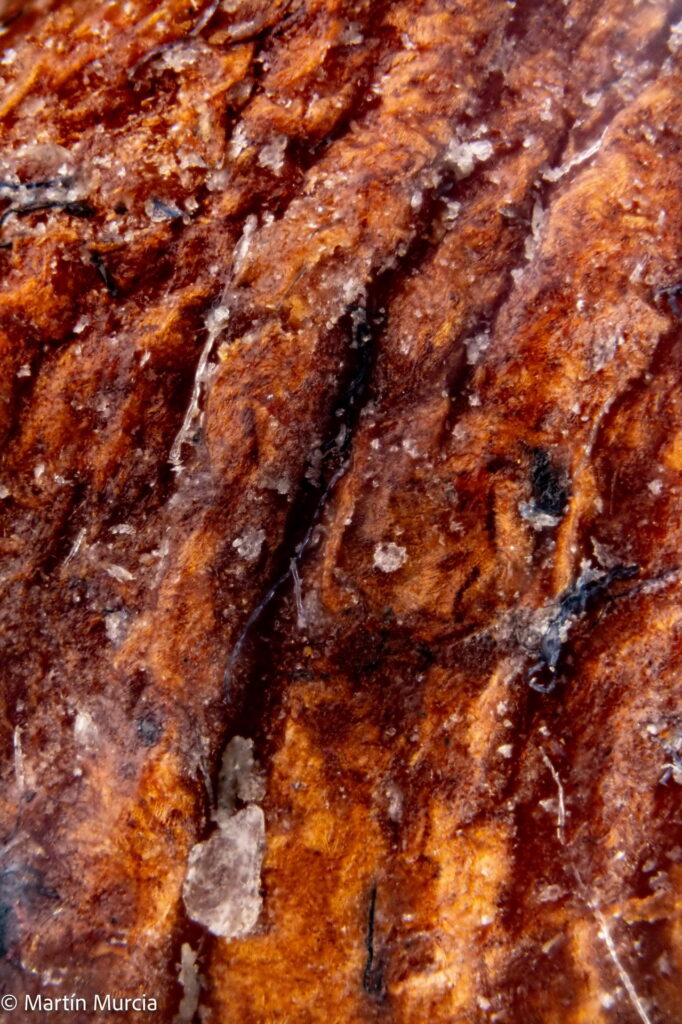
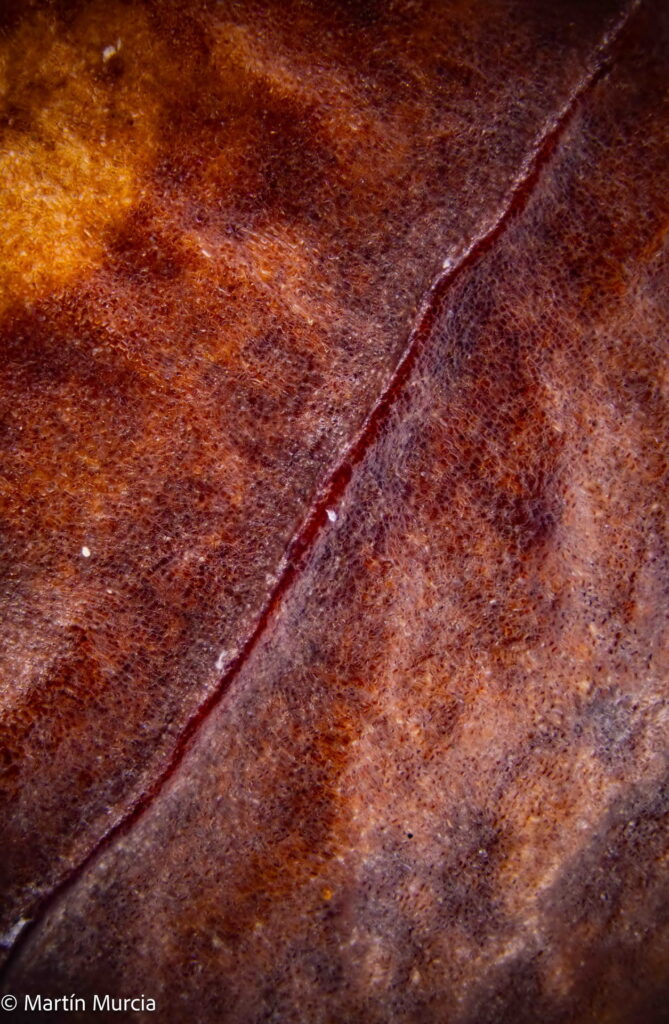
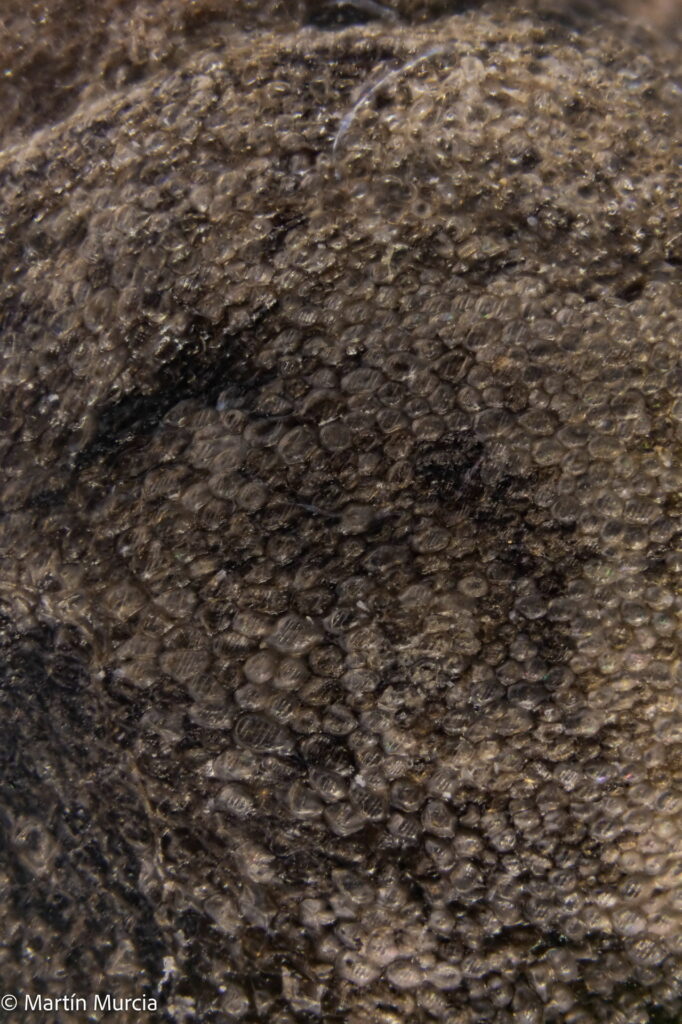
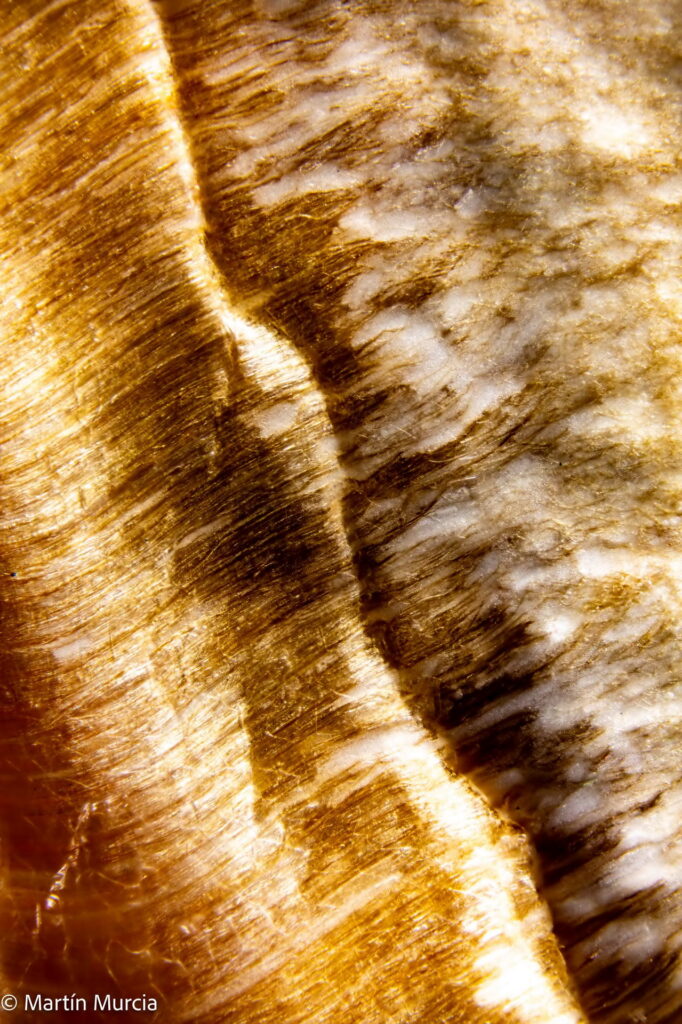
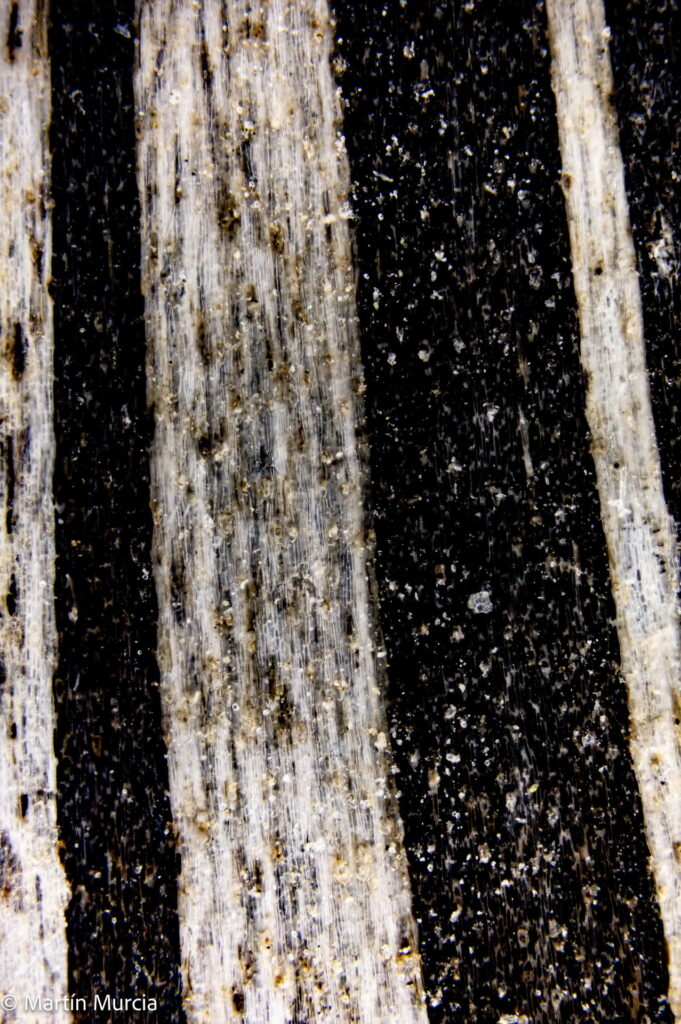
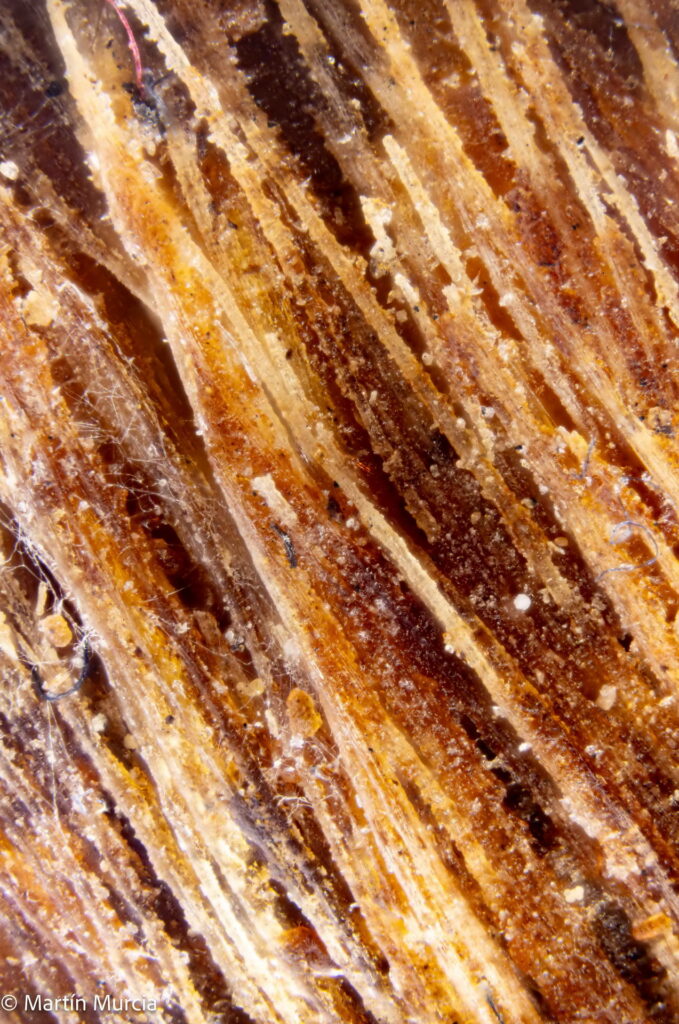
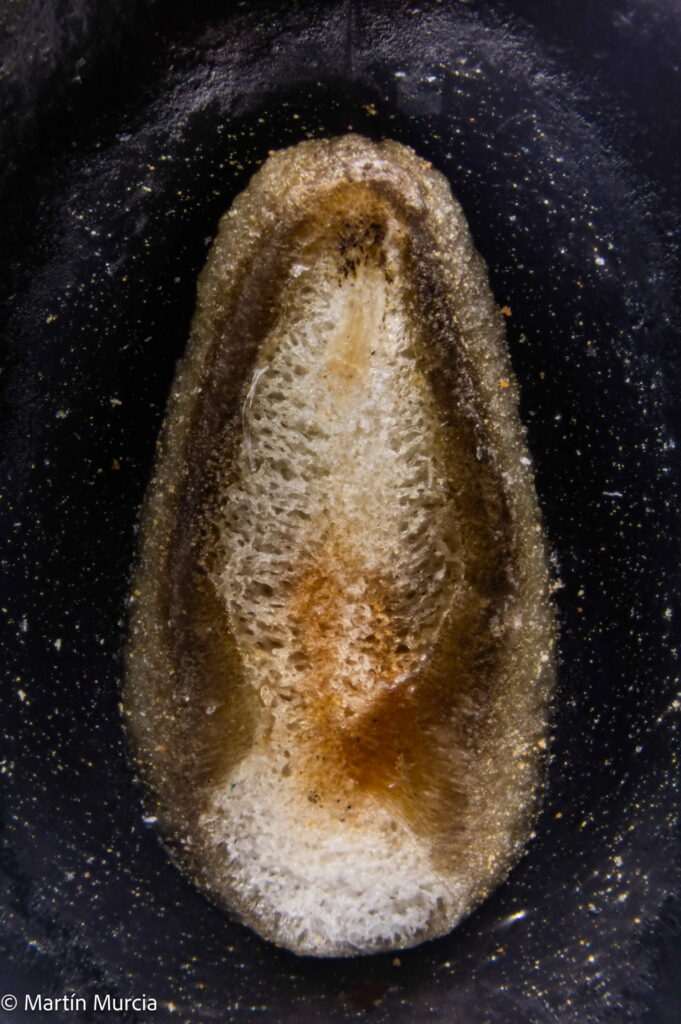
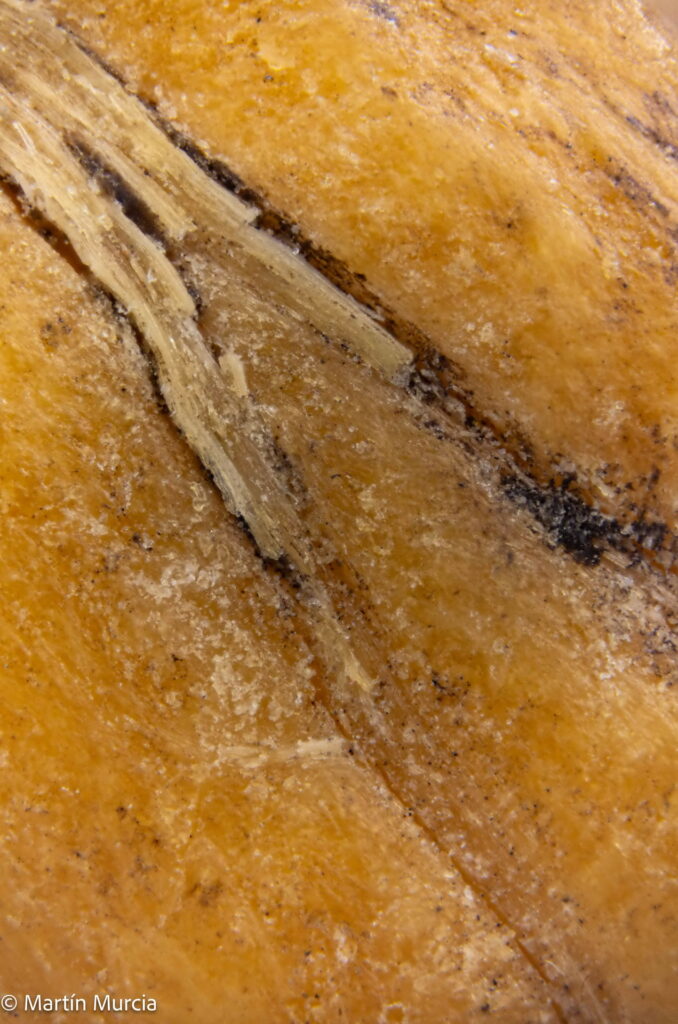
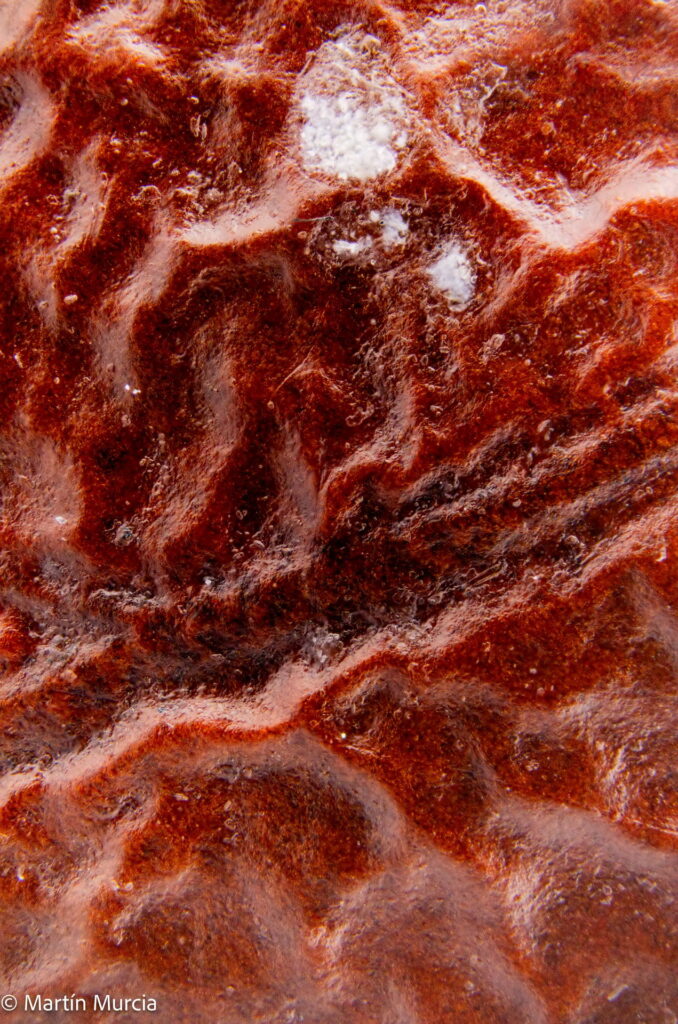
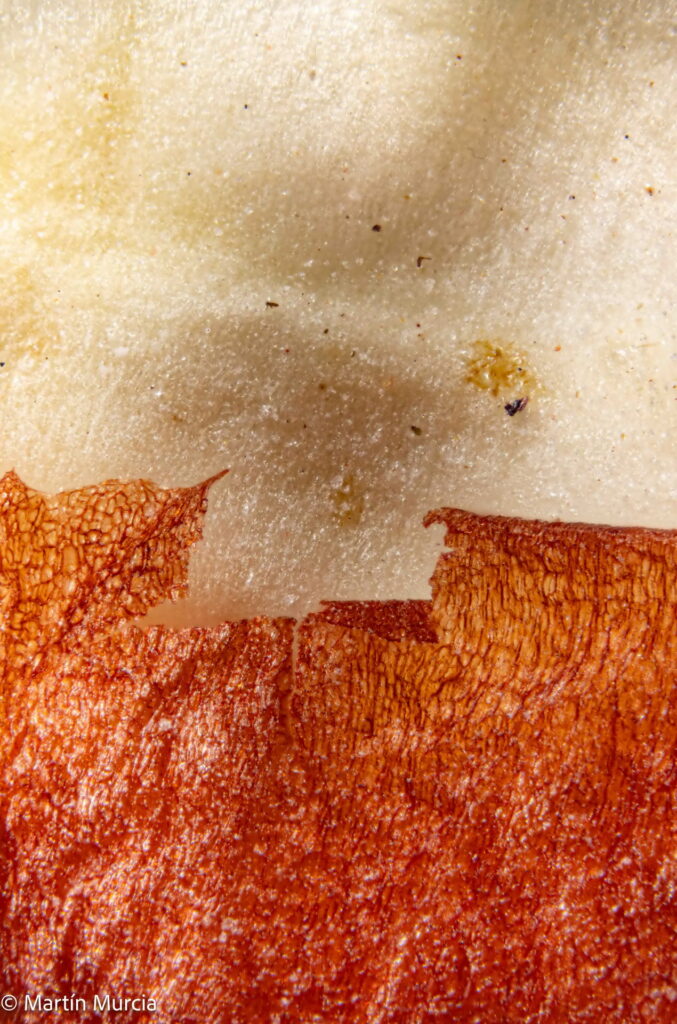
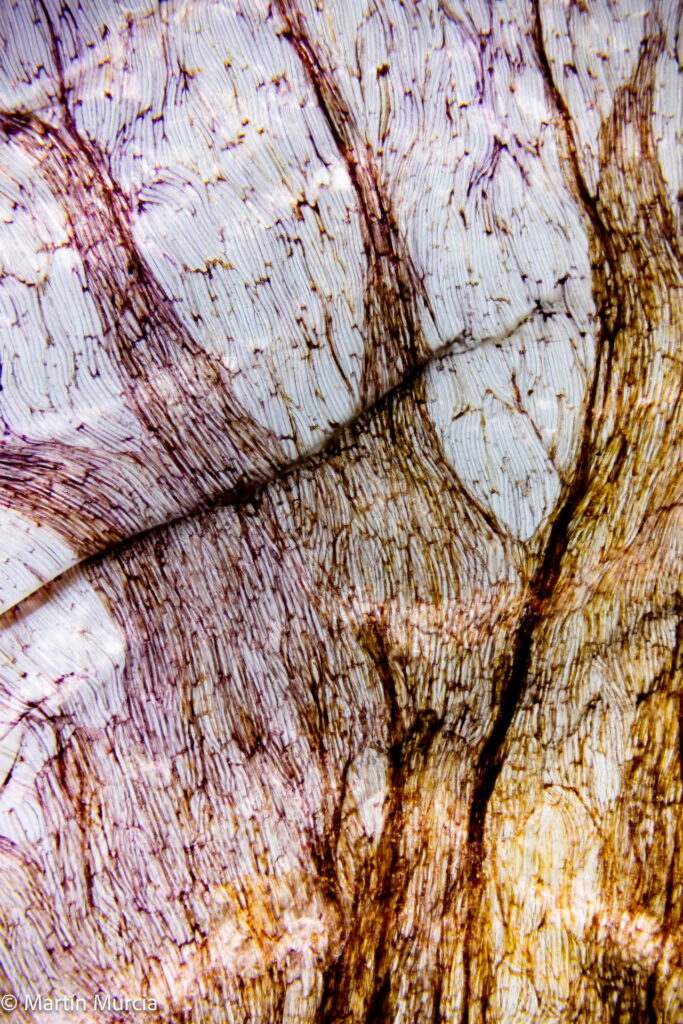
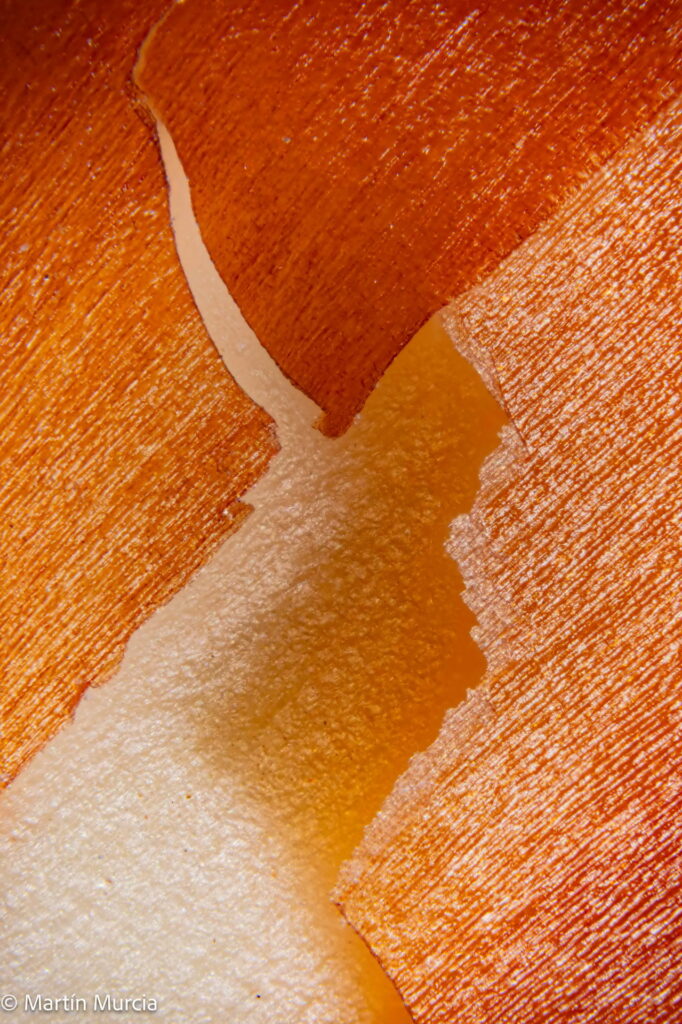
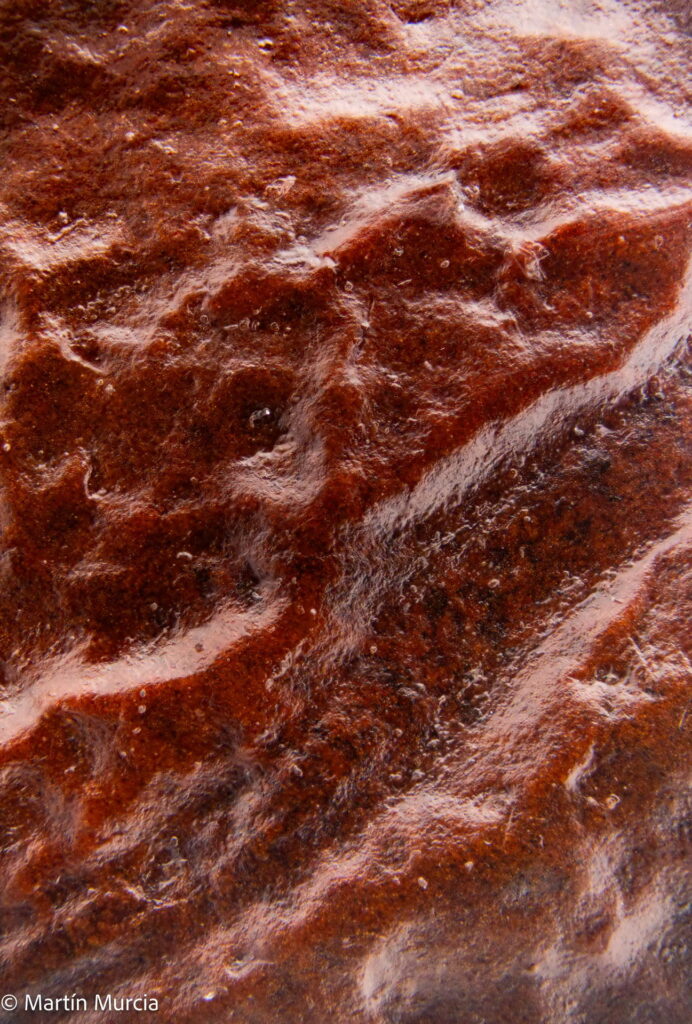
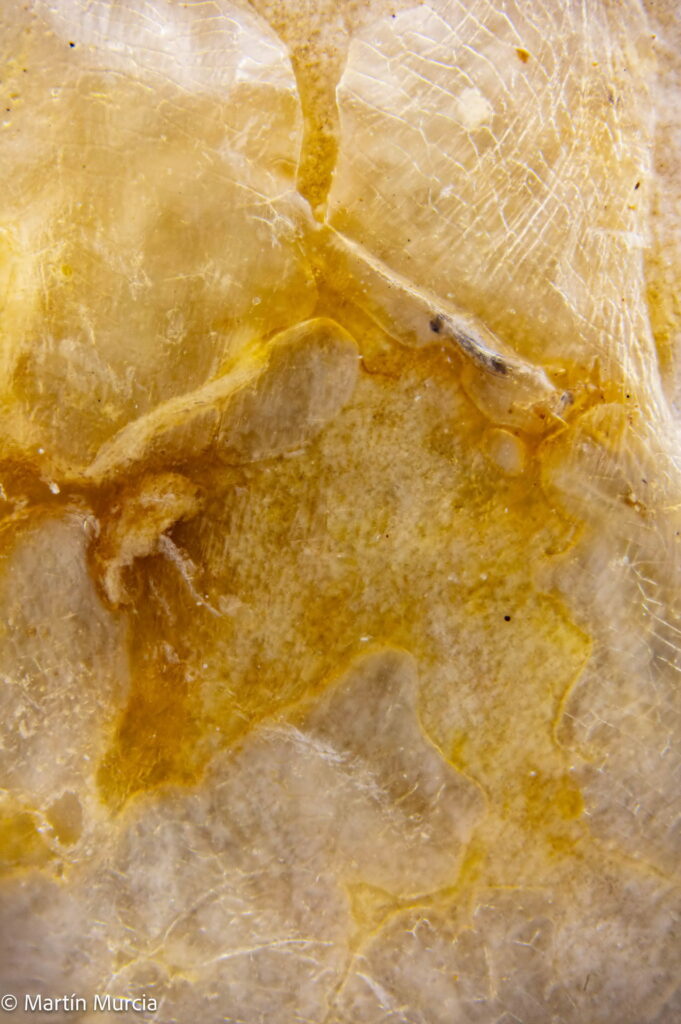
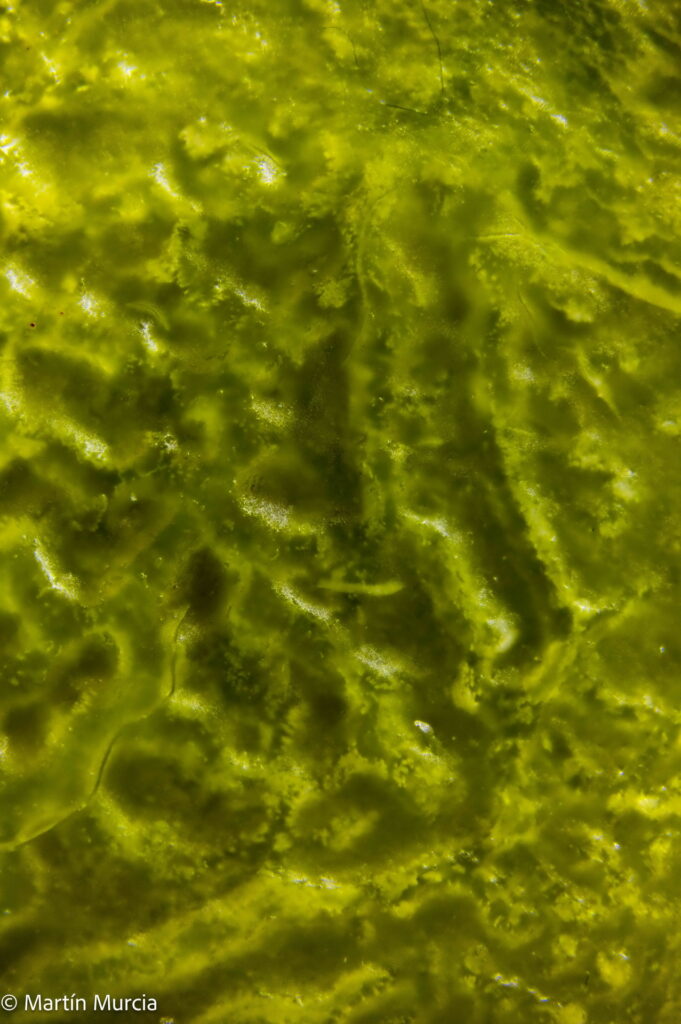
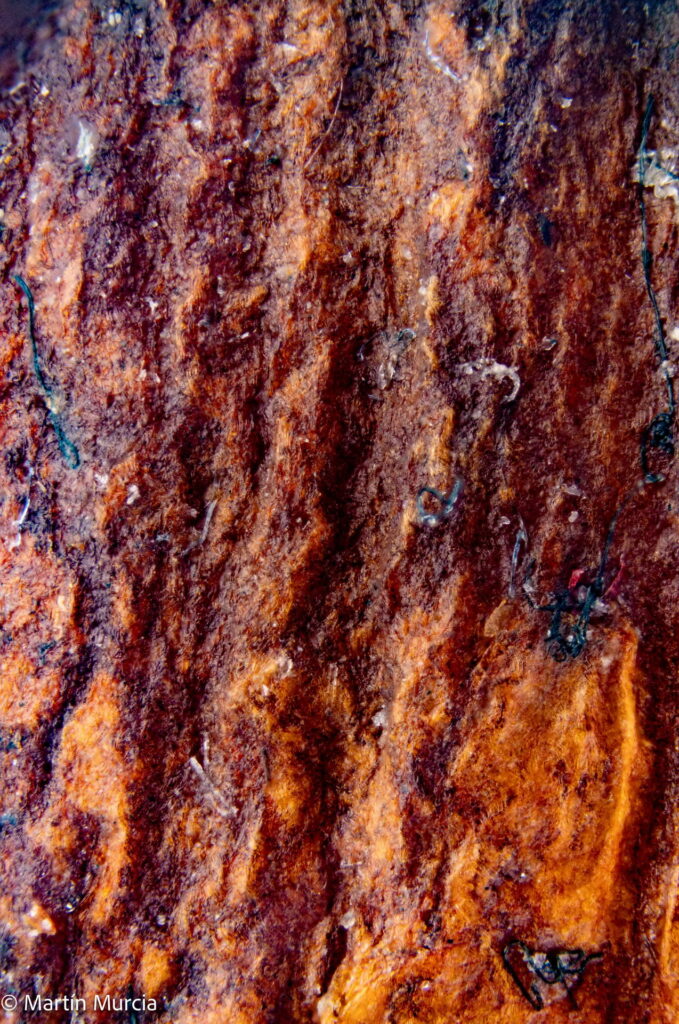

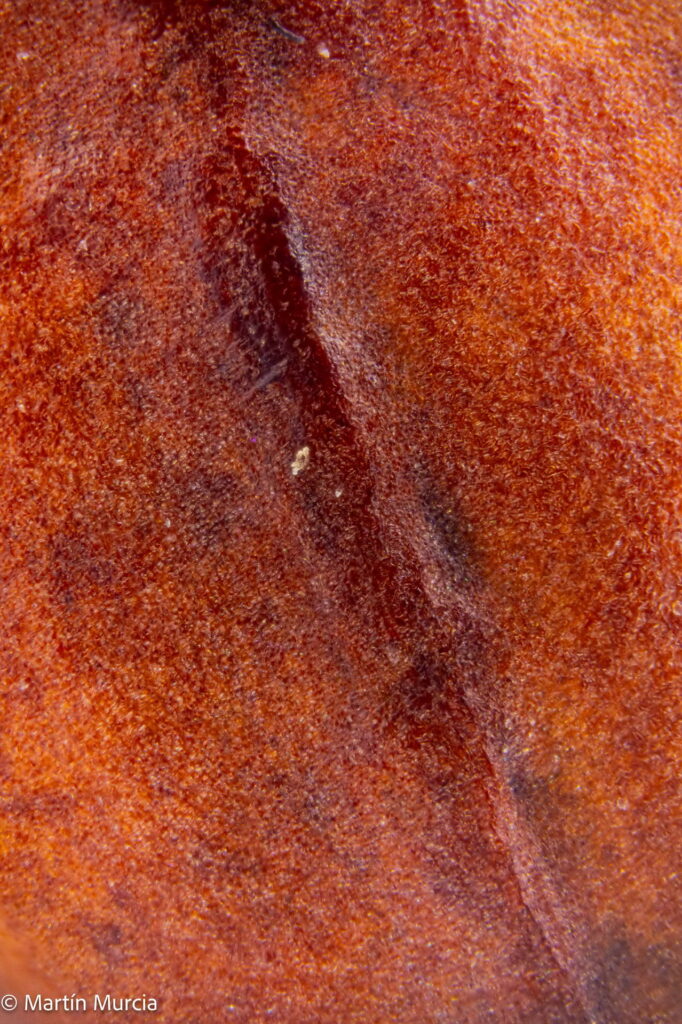
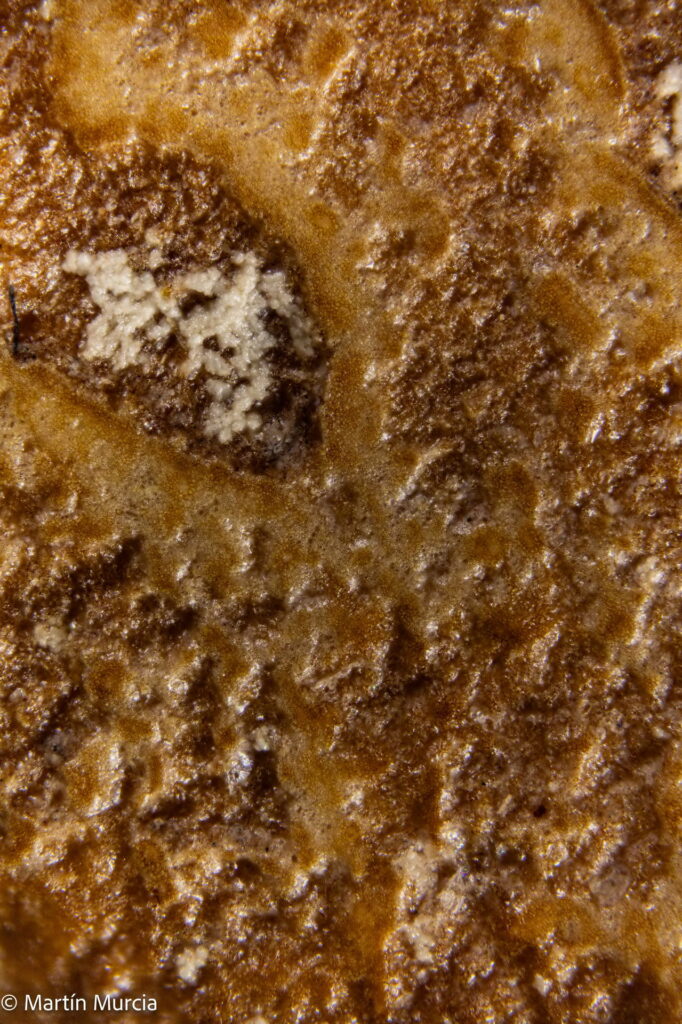
In truth, I am not fully aware of the facts; I will try to sketch out mere impressions in the style of the early cartographers, who were guided by their perceptions and the direction of light as they mapped the terrain.
Aicurum Nitram
There have been numerous attempts to define east and west. Even long before the Genoese adventurer stumbled upon an unexpected continent in 1492 while sailing southwest.
A little later in history, the freedom of Romanticism brought with it political divisions, nationalities with their “-isms,” and rigid borders.
One day, a group of politicians drew an imaginary line that divided the world into East and West. This contrivance passes over an English observatory and splits the globe into two supposedly equal halves. Since then, only a handful of Eurasian countries have been considered Western.
To add to the confusion, Europeans labeled certain regions on the map based on how close or far they were from themselves, establishing the categories of the Middle East and the Near East. Today, to reach the Middle East from Europe, we must travel eastward.
In the Americas, only one country—Uruguay—proclaimed itself an “Eastern Republic.” Uruguayans identify as and call themselves “orientales.” This demonym has nothing to do with imaginary lines; the name refers to their location on the eastern bank of the Río de la Plata.
On the other side of the Río de la Plata, in the mid-20th century, inspired by the Kybalion, the Arcana, and the runes, the Argentine painter Xul Solar¹ created Pan Lengua, a language that could be understood by everyone. Pan Lengua was an attempt to unite what languages had divided.
In the 1970s, Aicurum Nitram 2, a follower of Solar’s ideas, sought to reinterpret cartography introspectively during a journey along the 47th parallel south and created Wæst. An instinctive orientation system that consists of following an internal path, based on imaginary lines on the ground, like all others; but these lines must be one’s own.
According to some scattered notes, Nitram initially considered calling it Pan O-riente 3, but later abandoned the idea, as he felt it was insufficient as a tribute. Furthermore, he was concerned that advertisers would appropriate the name, and that his work might in the future be associated with some kind of industrialized bread.
Wæst, as a form of navigation, is based on a single premise: returning to a point along the route, with the sole condition that that point not be the same as the starting point.
There are vague accounts from those who dared to navigate using this method; some say that after returning to the chosen point, the landscape had changed and that some of the lines were no longer imaginary.
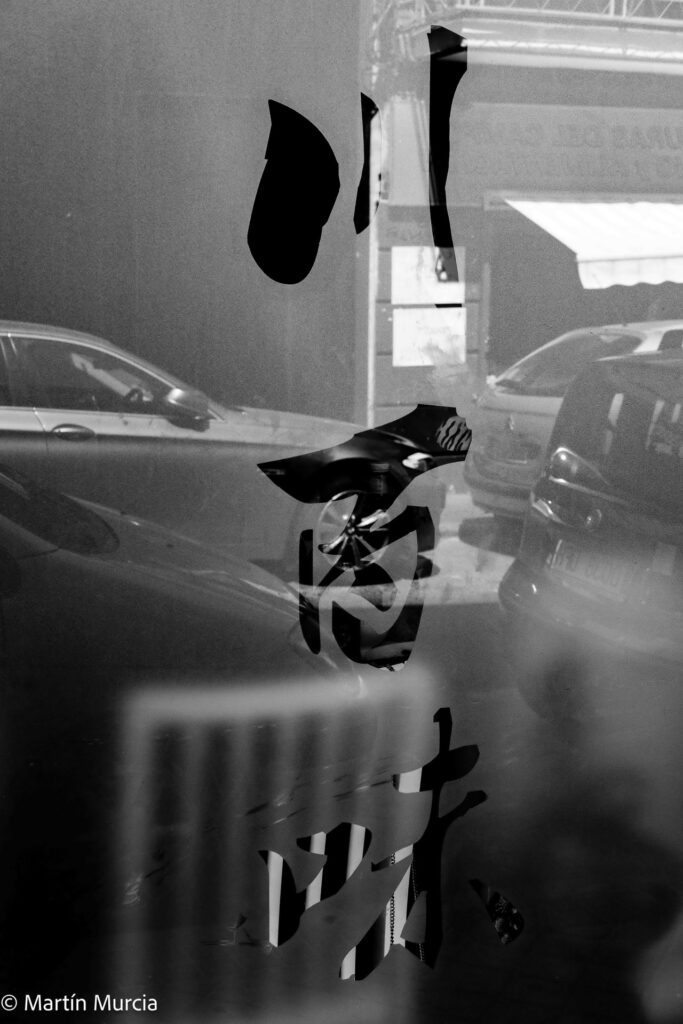
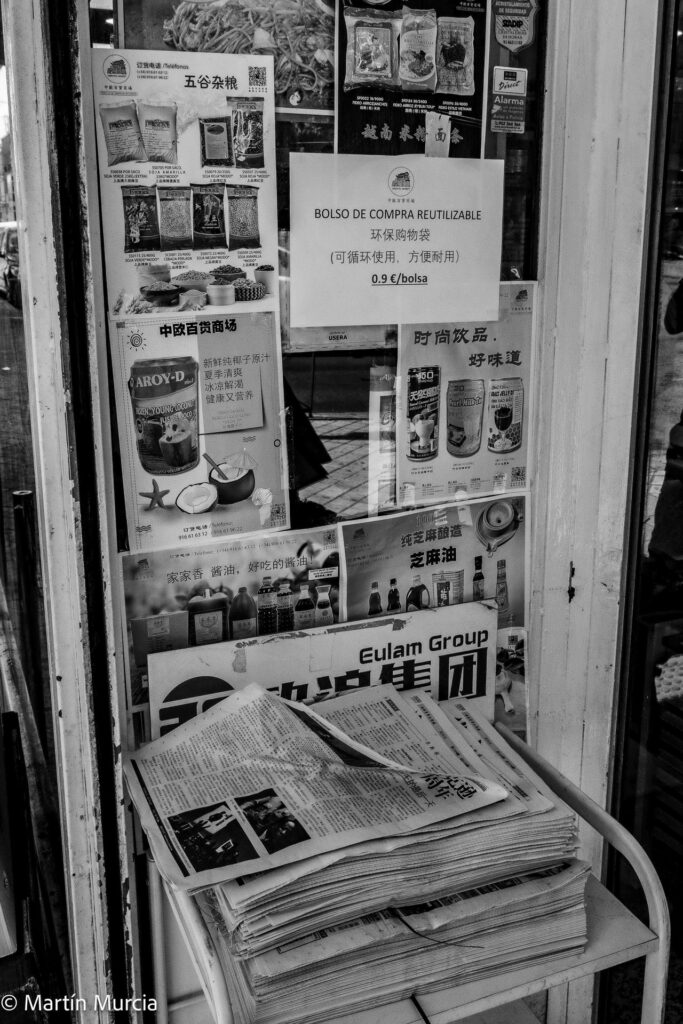
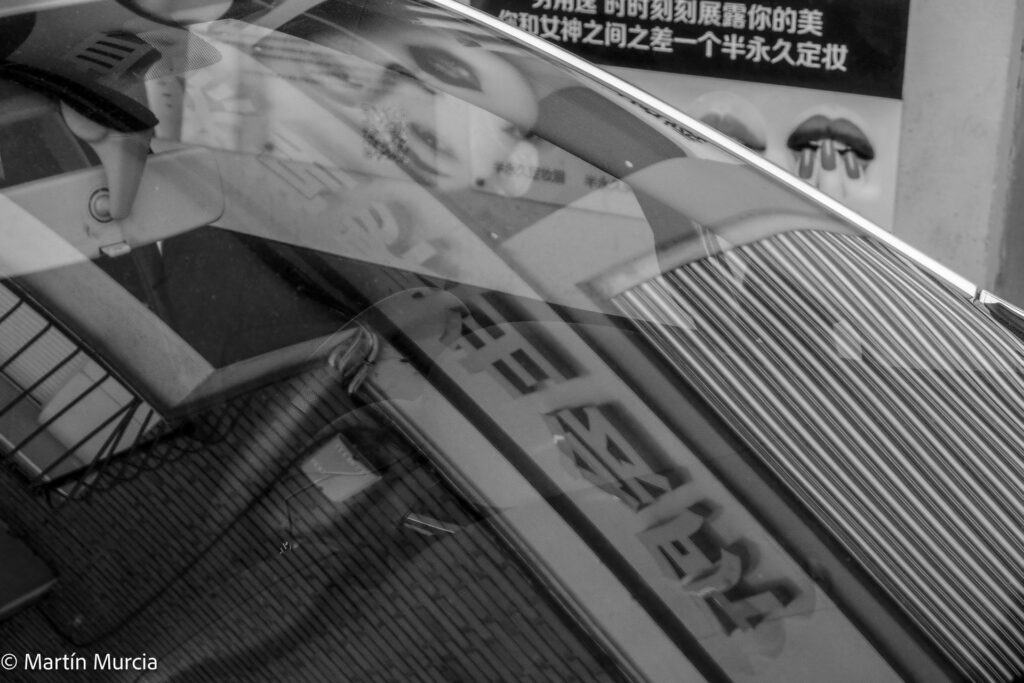
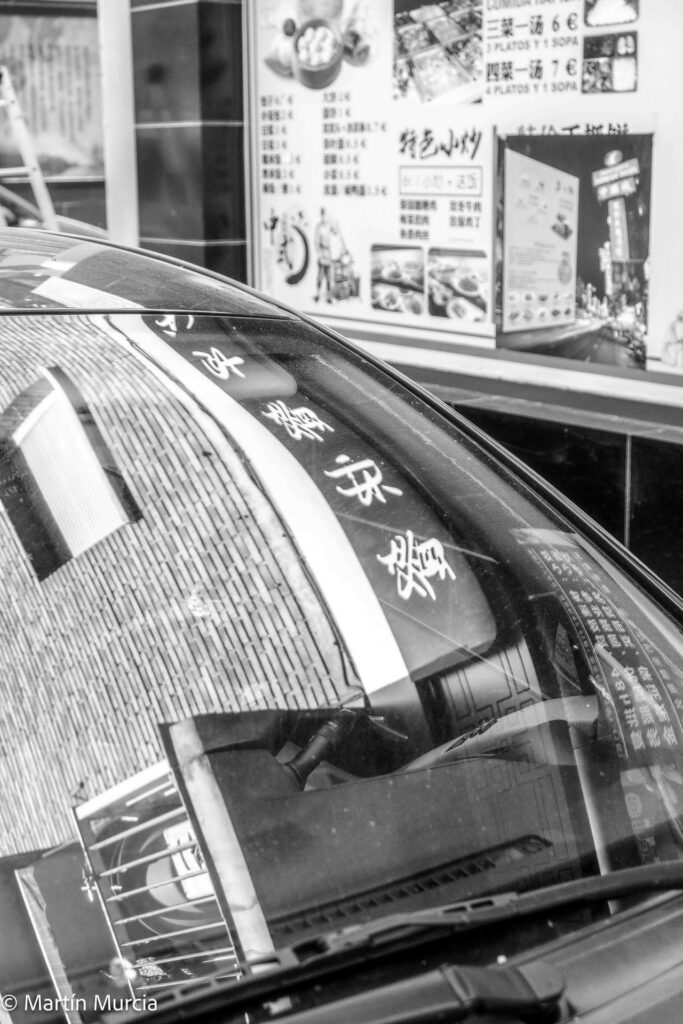
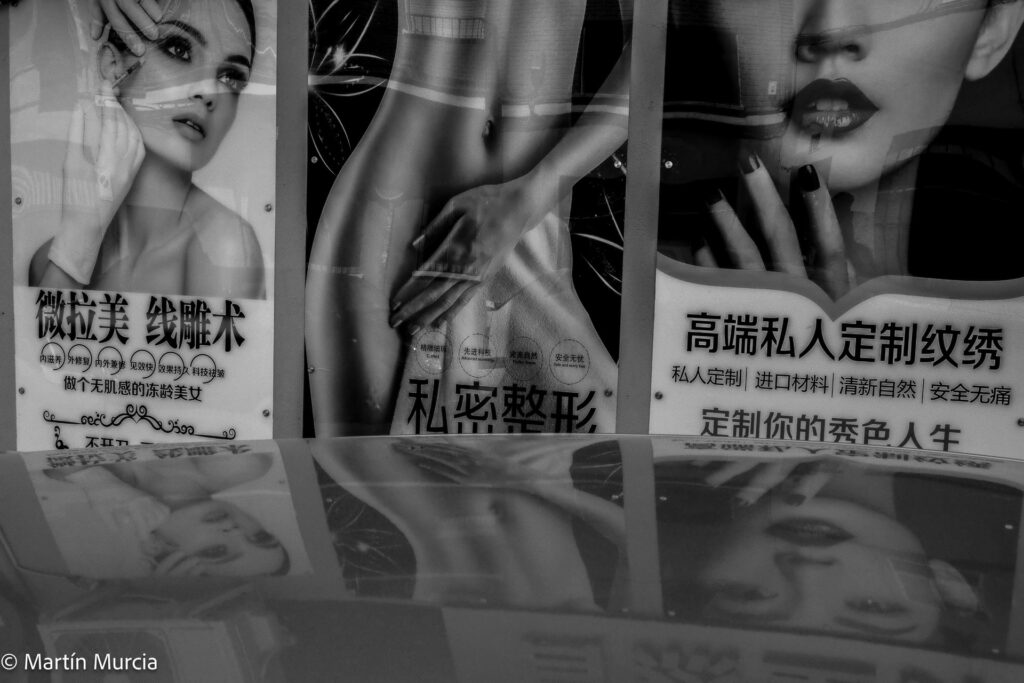
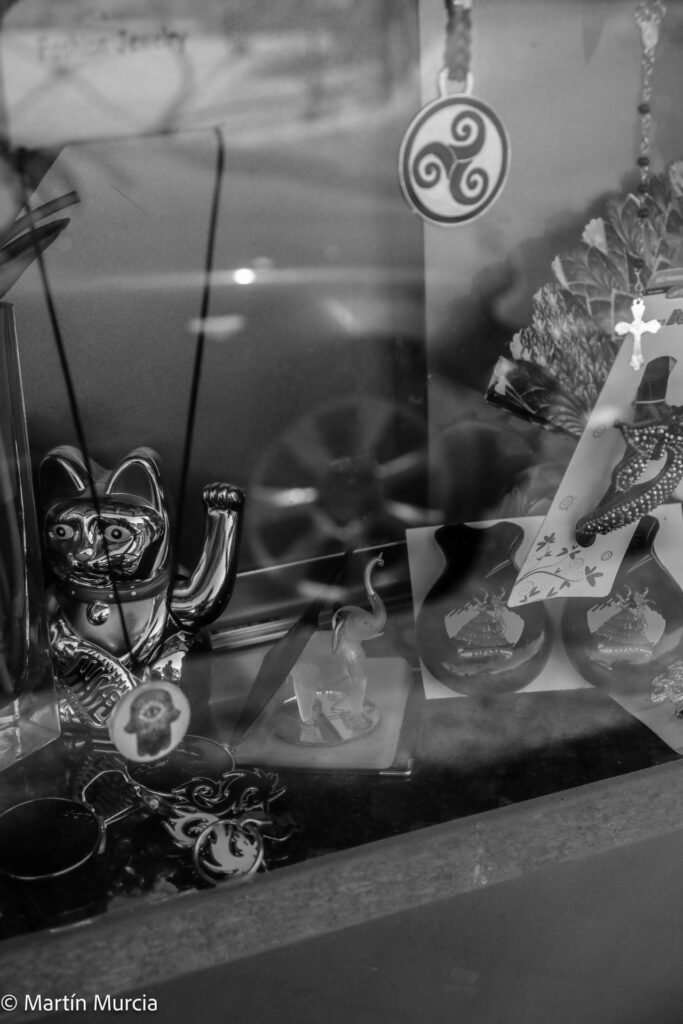
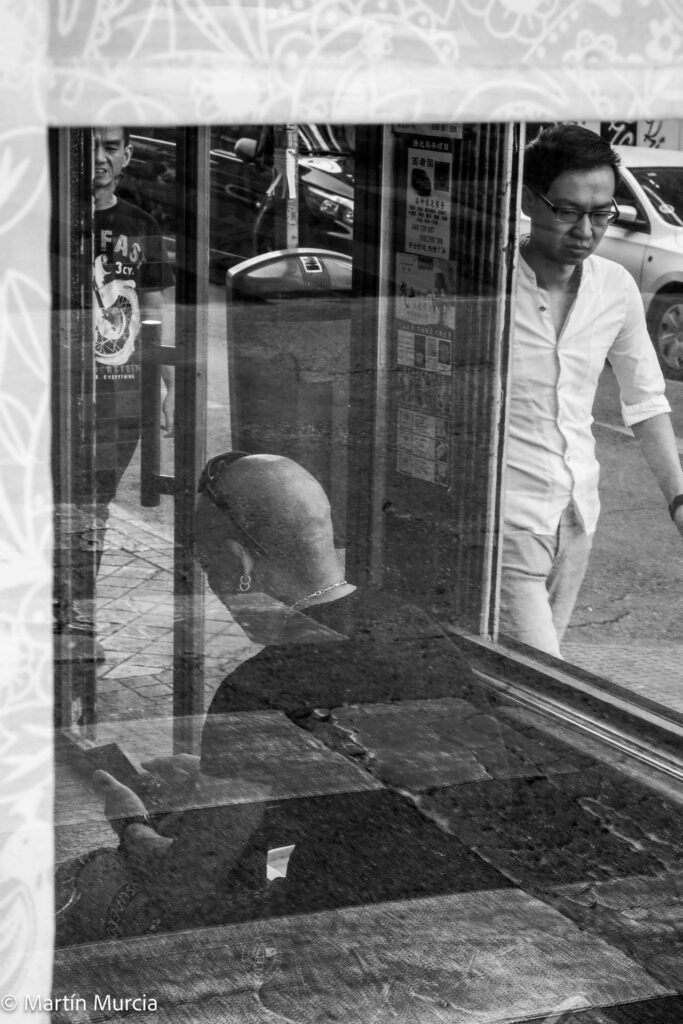
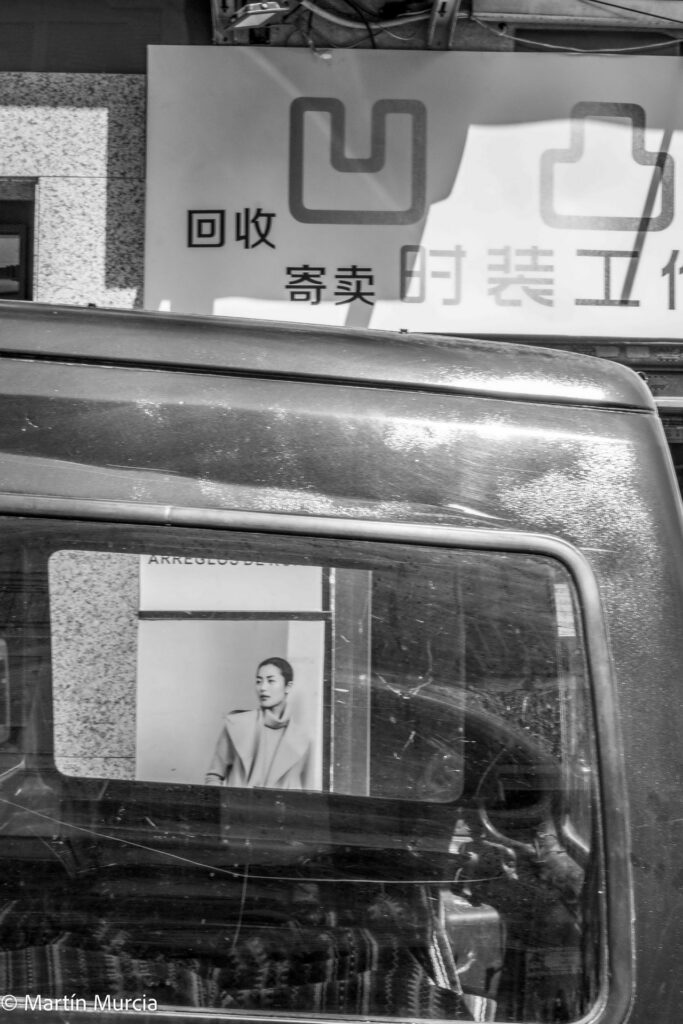
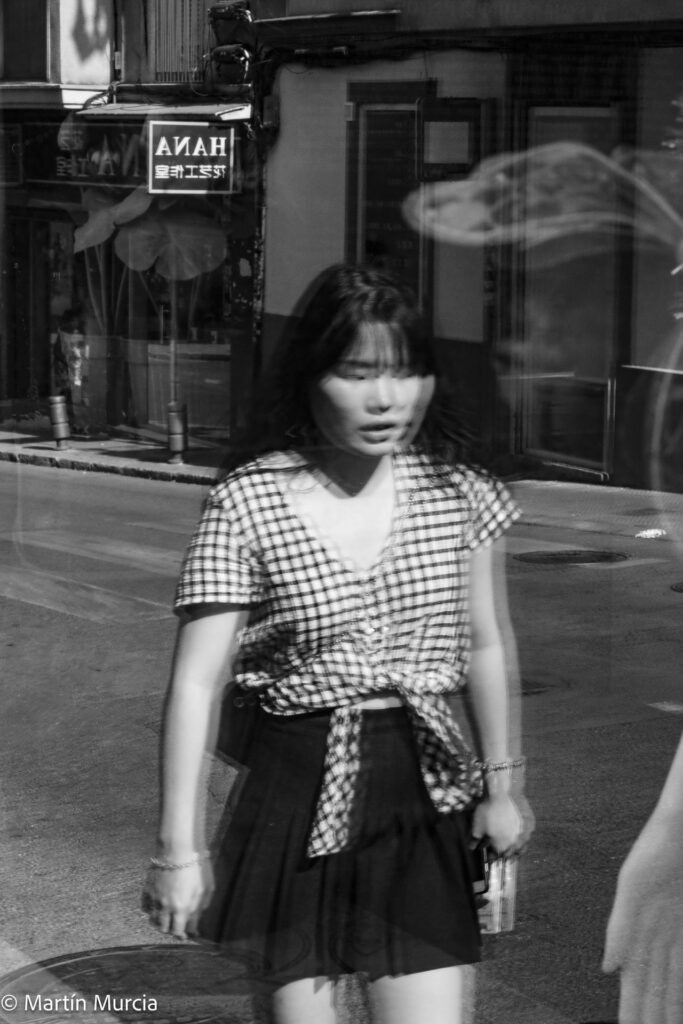
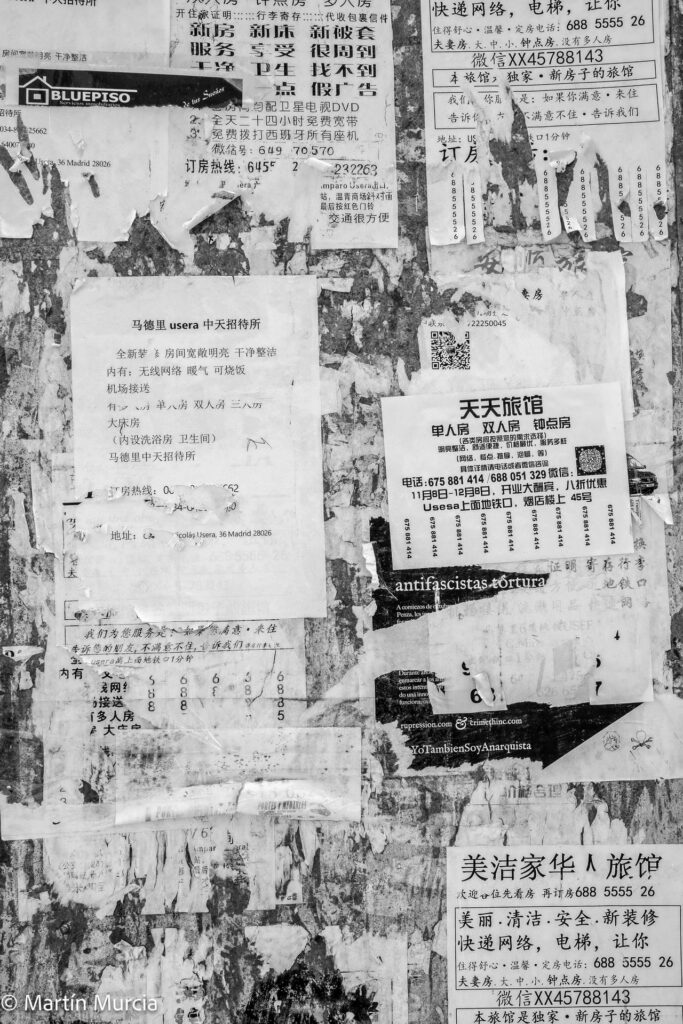
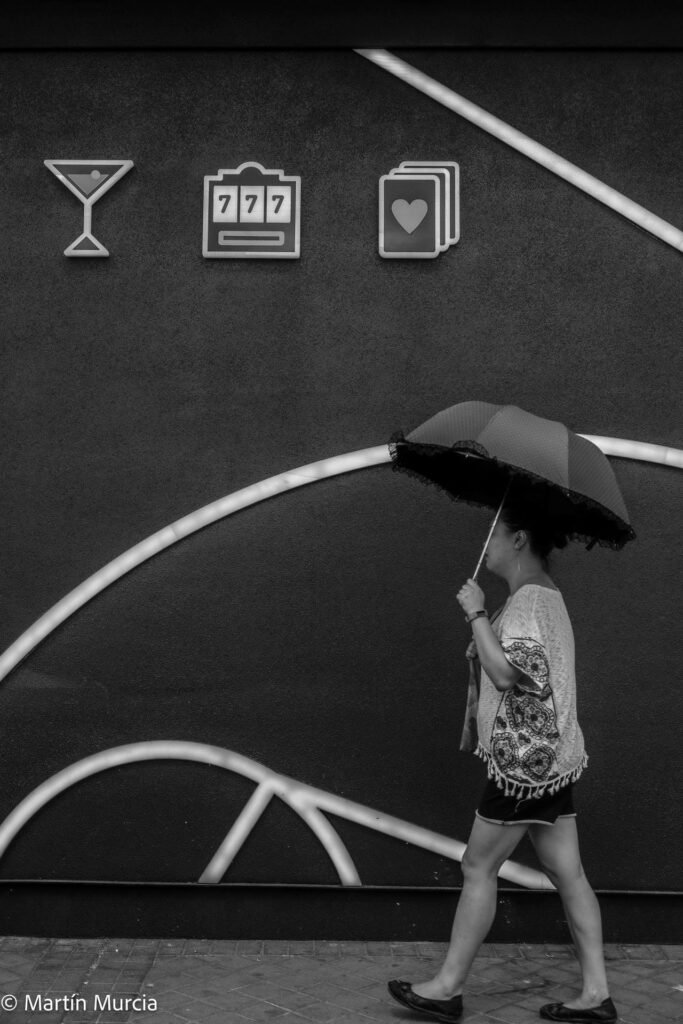
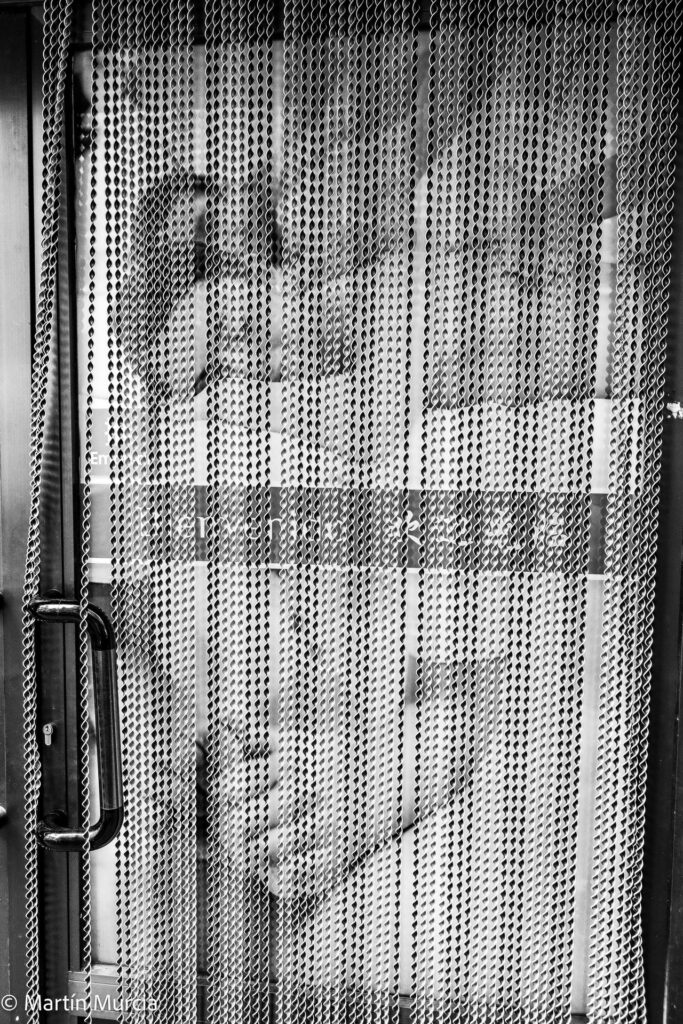
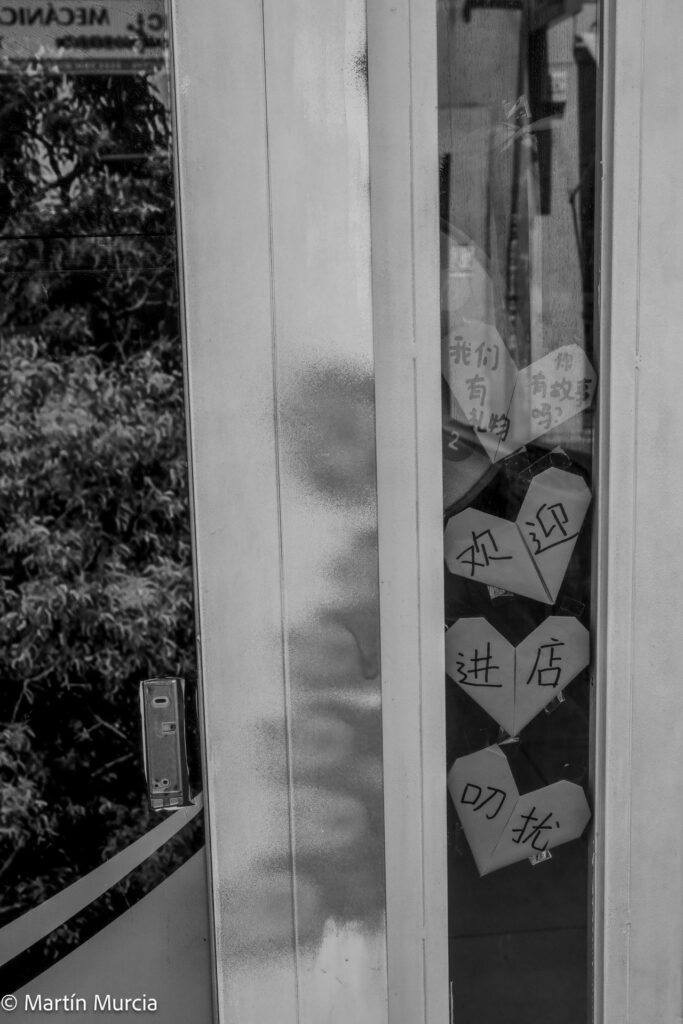
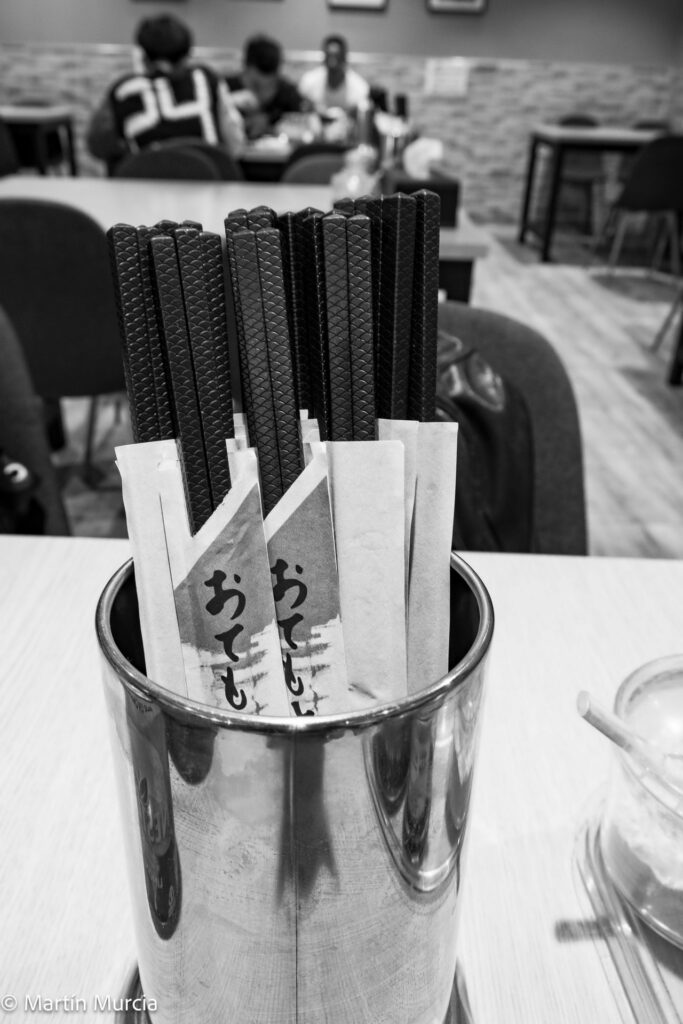
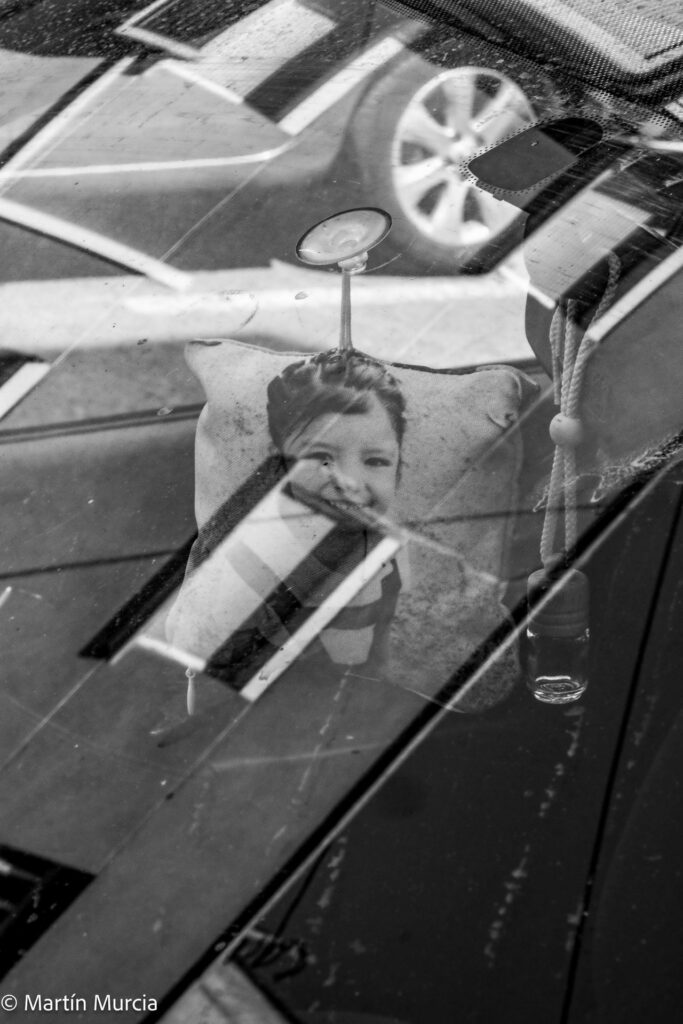
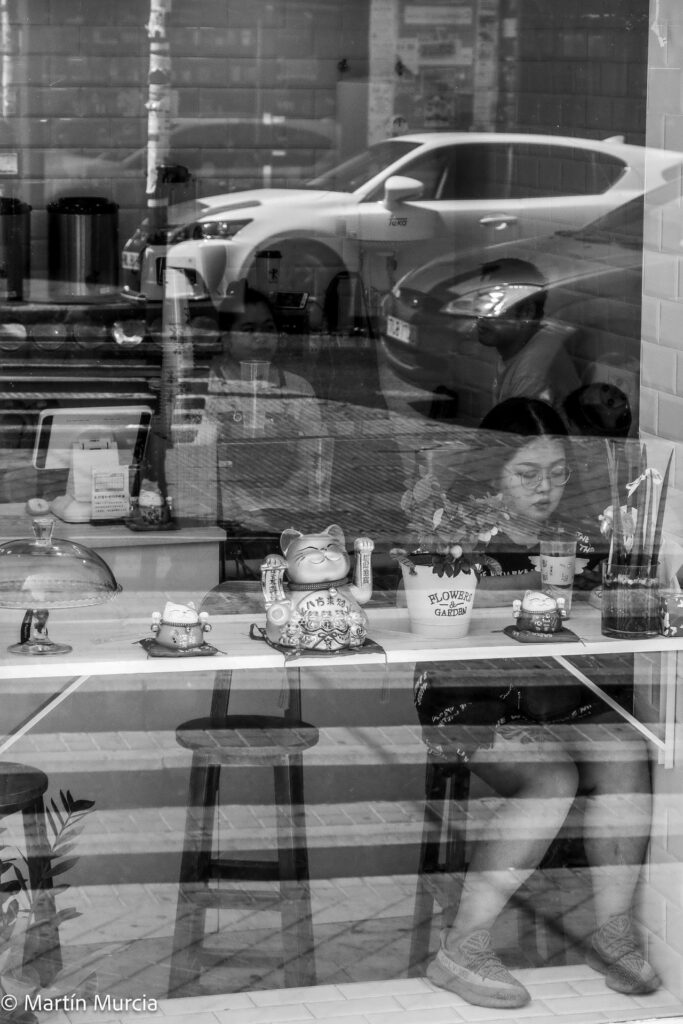
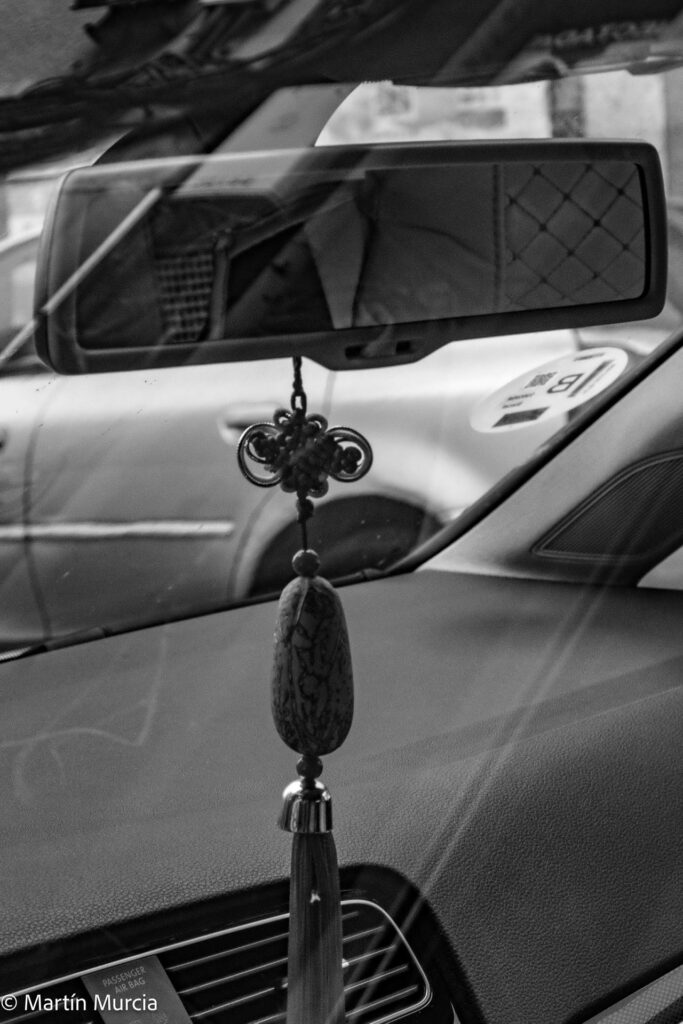
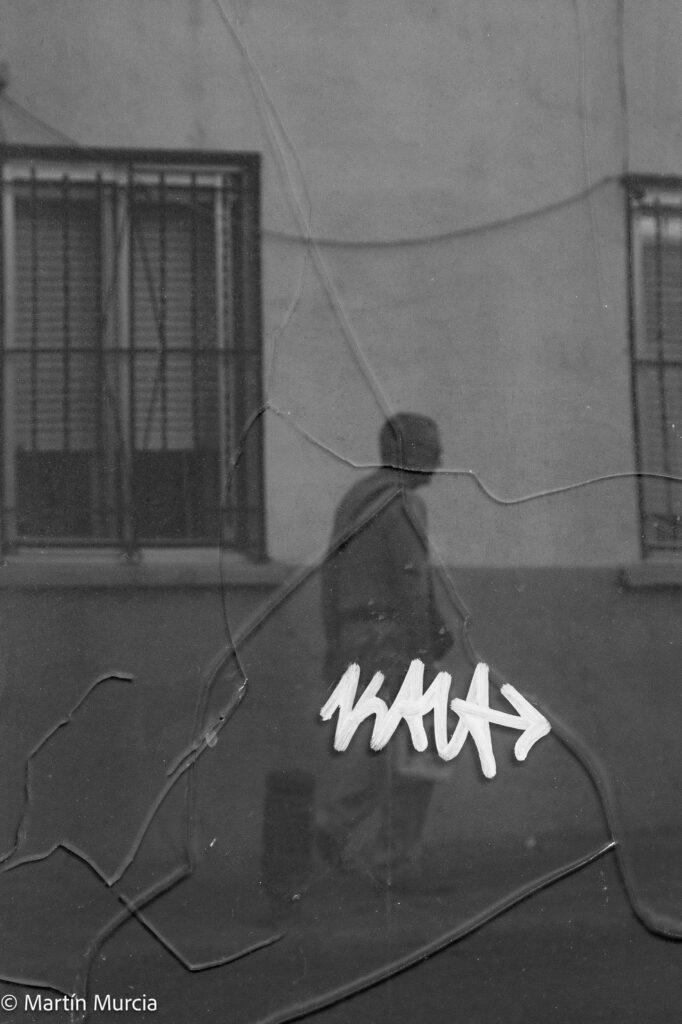
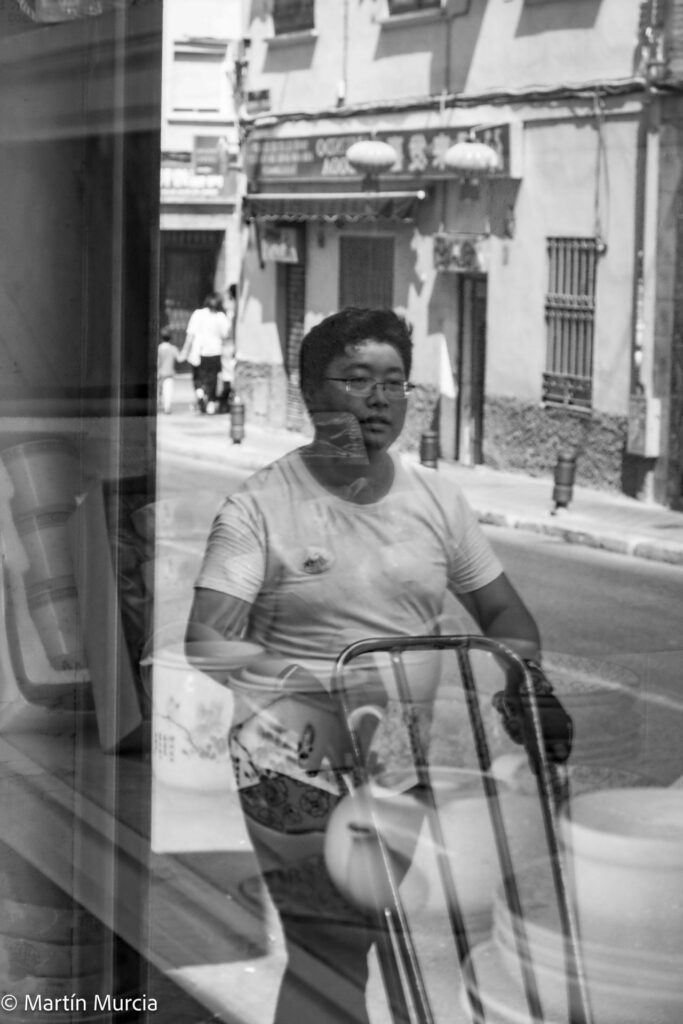
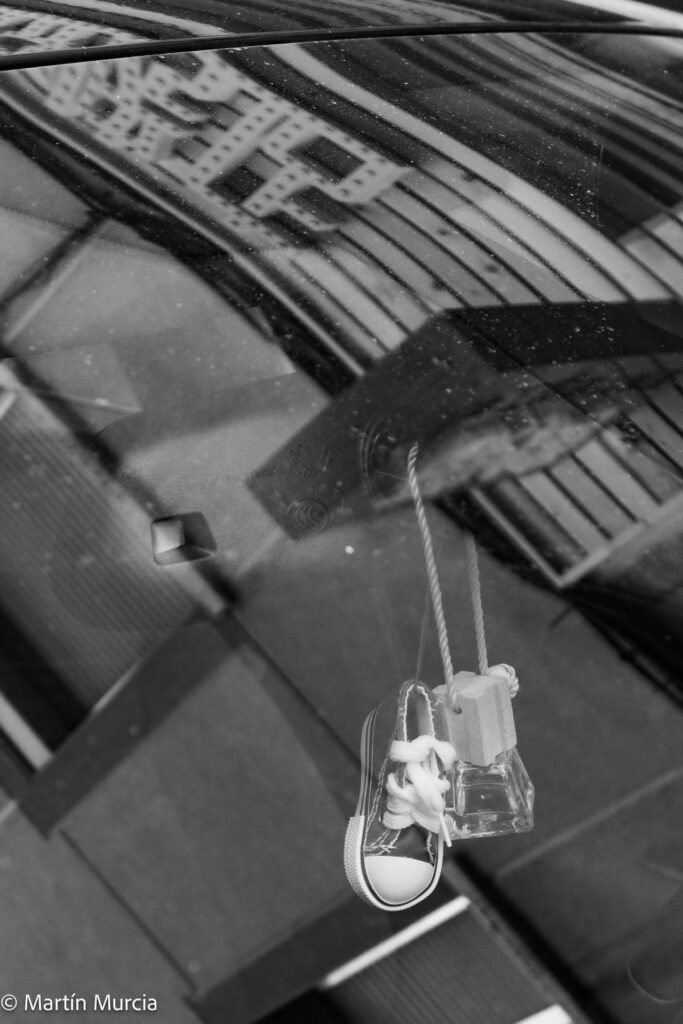
These photos are visual records of my attempts to navigate using Wæst in the field.
1. G. Bendinger, María Cecilia, Xul Solar, and Combinatorial Art, The Beauty of Totality, 2017
2. Aicurum Nitram, Wæst: Study on Useless Epiphanies, 1971
3. Aicurum Nitram, Collected Papers, 2001